
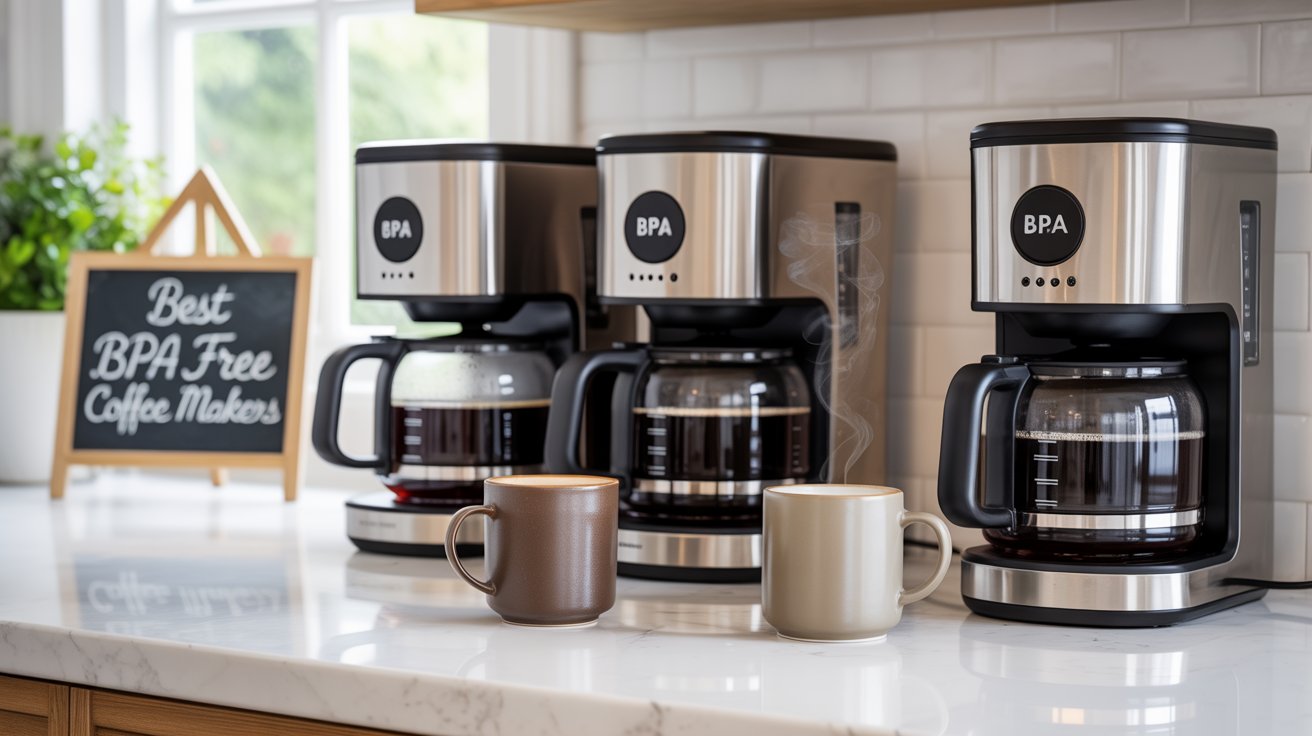
Best BPA-Free Coffee Makers 2026: Safe, Durable & Flavorful Coffee Machines

Coffee makers often contain plastic components that come into contact with hot water during brewing. In some cases, these plastics may contain Bisphenol A (BPA)—a chemical used in the production of certain plastics and resins. When plastic is repeatedly exposed to high heat, small amounts of BPA or other chemicals can potentially leach into food or beverages. For people who want to minimize chemical exposure in their daily routine, choosing BPA-free or plastic-free coffee makers can be an important step toward safer brewing.

BPA-free coffee makers are designed using materials that do not contain this chemical. Many modern models replace traditional plastic parts with stainless steel, glass, or certified BPA-free components. These materials are not only safer but also tend to preserve the natural flavor of coffee better than plastic. Stainless steel and glass brewing components are especially popular because they are durable, easy to clean, and resistant to heat.

This guide focuses on BPA-free and plastic-free coffee makers made with safer materials such as stainless steel or glass. The goal is to help you choose a machine that brews great coffee while reducing potential exposure to unwanted chemicals.

You will find several types of coffee makers covered in this guide, including:

  • Drip coffee makers for brewing multiple cups at once

  • Single-serve coffee makers for quick individual cups

  • Pour-over brewers for manual and precise brewing

  • Espresso machines for concentrated coffee drinks

  • Cold brew makers for smooth, low-acidity coffee

Each category offers BPA-free options designed for different brewing styles and household needs.

Quick Comparison of the Best BPA Free Coffee Makers

Coffee MakerTypeCapacityMaterialSpecial FeaturesBest ForRating
Simply Good Coffee BrewerDrip Coffee Maker8 CupsBPA-free components, stainless steel heating plateOne-button brewing, consistent temperatureSimple daily brewing4.6/5
Technivorm MoccamasterDrip Coffee Maker10 CupsBPA-free plastics, glass carafeCopper heating element, precise temperature controlCoffee enthusiasts4.8/5
AeroPress Coffee MakerManual Brewer1–3 CupsBPA-free polypropylenePortable, fast brewing, easy cleanupTravel and single cups4.7/5
Breville Barista ExpressEspresso MachineSingle / Double ShotStainless steelBuilt-in grinder, precise espresso controlEspresso lovers4.7/5
Takeya Cold Brew Coffee MakerCold Brew Maker4 Cups ConcentrateBPA-free Tritan plasticAirtight pitcher, fine mesh filterSmooth cold brew coffee4.6/5
Chemex Classic Pour-OverPour-Over6–8 CupsBorosilicate glassThick paper filters, clean flavorManual brewing fans4.8/5

What Is a BPA-Free Coffee Maker?

A BPA-free coffee maker is a brewing machine made without Bisphenol A (BPA) in the materials that come into contact with water or coffee during brewing. These machines use safer alternatives such as stainless steel, glass, ceramic, or certified BPA-free plastics to reduce the risk of chemical exposure when brewing hot beverages.

BPA (Bisphenol A) Definition

Bisphenol A (BPA) is a chemical compound used in the production of certain plastics and epoxy resins. For decades, manufacturers used BPA to make plastics stronger, clearer, and more heat-resistant. It has commonly been found in food containers, water bottles, and some kitchen appliances.

Because coffee makers regularly heat water to high temperatures, any plastic components containing BPA may potentially release small amounts of this chemical when exposed to heat over time. This concern has led many consumers to look for BPA-free coffee machines.

Where BPA Is Commonly Found in Coffee Makers

In traditional coffee makers, BPA-containing plastics may appear in several internal parts, including:

  • Water reservoirs

  • Internal tubing that carries hot water

  • Filter baskets

  • Carafe lids or handles

  • Pod holders in single-serve machines

Modern BPA-free models replace these parts with safer materials or use plastics that do not contain BPA.

Why BPA-Free Materials Are Safer

BPA-free coffee makers reduce the possibility of unwanted chemicals entering your drink. While regulatory agencies consider small amounts of BPA exposure safe, many people prefer to limit contact with plastics exposed to heat, especially when used daily.

Using BPA-free materials helps ensure that the brewing process relies on stable, heat-resistant materials that do not release harmful compounds into coffee.

Common Materials Used in BPA-Free Coffee Makers

Stainless Steel
Stainless steel is one of the safest materials used in coffee machines. It is highly durable, resistant to corrosion, and naturally free from BPA or other plastic chemicals. Stainless steel components are often used in thermal carafes, internal heating systems, and filter baskets.

Glass
Glass coffee makers are popular because they do not absorb flavors or release chemicals when heated. High-quality borosilicate glass is commonly used in carafes and pour-over brewers, providing a clean and neutral brewing environment.

Ceramic
Ceramic coffee makers are less common but still valued for their safety and heat stability. Ceramic surfaces are non-reactive and free from plastic chemicals, making them a safe option for brewing.

BPA-Free Plastic
Some modern coffee machines still use plastic parts but replace traditional plastic with BPA-free materials. These plastics are specifically manufactured without Bisphenol A and are considered safer for food and beverage use.

Why Choose a BPA-Free Coffee Maker?

Choosing a BPA-free coffee maker can improve both health safety and overall brewing quality. Many coffee drinkers prefer these machines because they reduce chemical exposure while also providing durable and reliable performance.

Health Safety

One of the main reasons people choose BPA-free coffee makers is to reduce potential chemical exposure from heated plastics. Coffee is brewed at temperatures close to boiling, so using materials like stainless steel or glass helps minimize contact with substances that may leach from plastic over time.

Better Taste

Materials such as glass and stainless steel are non-reactive and do not absorb odors or flavors. This allows coffee to maintain its natural aroma and taste. In contrast, low-quality plastics can sometimes affect flavor after prolonged use.

Durability

Coffee makers built with metal or glass components typically last longer than models made primarily from plastic. Stainless steel and ceramic parts are more resistant to heat damage, staining, and cracking, which helps extend the lifespan of the machine.

Eco-Friendly Brewing

BPA-free and plastic-free coffee makers can also support a more sustainable lifestyle. Machines that use stainless steel filters or reusable components help reduce single-use plastic waste. Durable materials also mean fewer replacements, which reduces long-term environmental impact.

By choosing a BPA-free coffee maker, you can enjoy safer brewing, better flavor, and longer-lasting equipment, all while reducing reliance on plastic materials.

7 Best BPA Free Coffee Makers (Expert Picks)

Below are two of the most reliable BPA-free coffee makers based on build quality, brewing consistency, and materials such as stainless steel, glass, or certified BPA-free components.
Best BPA-Free Coffee Makers

1. Best Overall BPA Free Coffee Maker

Technivorm Moccamaster KBT Coffee Brewer

The Technivorm Moccamaster KBT is widely considered one of the best BPA-free coffee makers because it combines durable construction with precise brewing technology. It uses a copper heating element to maintain the optimal brewing temperature and produces a full pot of coffee in about 4–6 minutes. The machine also uses BPA-free plastics and stainless steel components to reduce chemical exposure while maintaining long-term durability.

Its simple design and reliable temperature control help produce consistent flavor extraction, making it a favorite among serious coffee drinkers.

Key Features

  • Copper heating element that maintains ideal brewing temperature

  • Stainless steel thermal carafe to keep coffee hot

  • Brews up to about 40 oz of coffee in under 6 minutes

  • BPA-free components for safer brewing

  • Durable metal housing with long lifespan

Pros

  • Consistent brewing temperature for balanced coffee flavor

  • Durable stainless steel construction

  • Fast brewing time

  • Long lifespan with replaceable parts

  • Backed by a strong manufacturer warranty

Cons

  • Higher price compared with standard coffee makers

  • Limited programmable features

  • Slightly larger footprint on kitchen counters

Best For

Coffee enthusiasts who want a high-quality, long-lasting BPA-free coffee maker with excellent brewing consistency.

2. Best BPA Free Drip Coffee Maker

OXO Brew 9‑Cup Coffee Maker

The OXO Brew 9-Cup Coffee Maker is one of the most popular BPA-free drip coffee machines because it focuses on precise temperature control and balanced extraction. The brewer uses a microprocessor to manage brewing time, water temperature, and volume, ensuring coffee is brewed at the ideal temperature range for optimal flavor.

This machine also includes a double-wall stainless steel thermal carafe that keeps coffee hot without needing a hot plate, which helps preserve flavor.

Key Features

  • Stainless steel thermal carafe for heat retention

  • Rainmaker shower head for even water distribution

  • Precise temperature and brew-time control

  • Brews 2–9 cups of coffee

  • Certified for high-quality coffee brewing standards

Pros

  • Consistent brewing temperature for balanced extraction

  • Durable stainless steel construction

  • Compact size suitable for most kitchens

  • High-quality coffee flavor

Cons

  • Higher price than basic drip machines

  • Limited customization options

Best For

Home brewers who want a reliable BPA-free drip coffee maker with excellent temperature control and consistent results.

3. Best BPA Free Single-Serve Coffee Maker

Hamilton Beach FlexBrew Single-Serve Coffee Maker

The Hamilton Beach FlexBrew Single-Serve Coffee Maker is one of the most practical BPA-free options for people who want a quick cup of coffee without using a large machine. This compact brewer is designed to prepare one cup at a time, making it perfect for busy mornings or households where only one person drinks coffee regularly.

The machine is built with BPA-free components and can brew using either coffee pods or ground coffee, giving users more flexibility. It is especially popular for its fast brewing speed and compact footprint, which allows it to fit easily in small kitchens, dorm rooms, or office spaces.

Key Features

  • Single-serve brewing for one cup at a time

  • Compatible with both coffee pods and ground coffee

  • Compact design that fits small countertops

  • BPA-free construction for safer brewing

  • Brews approximately 10–14 oz cups depending on water added

Pros

  • Quick brewing time, usually around 2 minutes

  • Very compact and easy to store

  • Works with reusable filters or pods

  • Affordable compared to most coffee machines

Cons

  • Small water reservoir

  • Limited brewing customization

  • Not designed for brewing multiple cups at once

Best For

People who want a fast, compact BPA-free coffee maker for single cups, especially in small kitchens, dorm rooms, or offices.

4. Best BPA Free Coffee Maker With Grinder

Cuisinart Grind & Brew Coffee Maker

The Cuisinart Grind & Brew Coffee Maker is one of the best BPA-free machines with a built-in grinder because it allows you to grind whole beans and brew coffee in a single process. Grinding beans right before brewing helps preserve coffee’s natural oils and aroma, which leads to a richer and fresher flavor.

This machine includes an integrated burr-style grinding system that automatically grinds the beans and transfers them directly into the brew basket. Once grinding is complete, the machine immediately begins the brewing process. This automatic grind-and-brew system makes it convenient for users who want fresh coffee without using a separate grinder.

Key Features

  • Built-in grinder for fresh coffee beans

  • Automatic grind-and-brew functionality

  • Glass carafe with multiple cup capacity

  • BPA-free components and stainless steel design

  • Option to turn the grinder off for pre-ground coffee

Pros

  • Freshly ground coffee improves flavor and aroma

  • Convenient all-in-one brewing system

  • Eliminates the need for a separate grinder

  • Good capacity for families or offices

Cons

  • Slightly larger machine footprint

  • Grinder can be noisy during operation

  • Requires regular cleaning of grinding chamber

Best For

Coffee drinkers who want maximum freshness and convenience with a built-in grinder and automatic brewing system.

5. Best BPA-Free Coffee Maker With Thermal Carafe

OXO Brew 9 Cup Coffee Maker

The OXO Brew 9-Cup Coffee Maker is one of the best BPA-free coffee makers with a thermal carafe because it focuses on temperature stability and flavor preservation. Instead of using a traditional glass pot on a hot plate, this machine uses a double-wall stainless steel thermal carafe that keeps coffee hot for hours without overheating it.

Thermal carafes are designed with vacuum insulation, which traps heat inside the container and maintains the coffee’s temperature naturally. This helps prevent the burnt taste that can occur when coffee sits on a heated plate for too long.

Key Features

  • Double-wall stainless steel thermal carafe for heat retention

  • Rainmaker showerhead for even water distribution

  • Precise brewing temperature (around 197–205°F ideal range)

  • 9-cup brewing capacity

  • BPA-free construction

Pros

  • Coffee stays hot for several hours without reheating

  • Stainless steel carafe is durable and unbreakable

  • Consistent brewing temperature improves flavor

  • Easy one-dial operation

Cons

  • Higher price compared with basic drip machines

  • Limited programmable timer options

Best For

Families or office environments that need coffee to stay hot for long periods without losing flavor.

6. Best Plastic-Free Coffee Maker

Bialetti Moka Express Stovetop Espresso Maker

The Bialetti Moka Express is one of the most trusted plastic-free coffee makers because it uses a fully metal brewing system. Made primarily from aluminum or stainless steel (depending on the model), it avoids plastic parts that come into contact with hot water during brewing.

This classic stovetop brewer works by forcing hot water through coffee grounds using steam pressure. Because the brewing chamber and filter basket are made entirely from metal, the coffee never touches plastic surfaces. That makes it a popular choice for people looking for chemical-free coffee brewing.

Key Features

  • Durable metal construction

  • Stovetop brewing using steam pressure

  • Available in multiple cup sizes

  • No electrical components required

  • Minimal plastic contact with hot water

Pros

  • Extremely durable and long-lasting

  • Completely manual and easy to maintain

  • No plastic water reservoir or tubes

  • Produces strong espresso-style coffee

Cons

  • Requires a stovetop instead of plug-in use

  • Smaller brewing capacity than drip machines

  • Requires manual brewing attention

Best For

Coffee drinkers who want a simple, fully metal coffee maker with no plastic contact during brewing.

7. Best Budget BPA-Free Coffee Maker

Black+Decker 12‑Cup Thermal Coffee Maker

The Black+Decker 12-Cup Thermal Coffee Maker is one of the most affordable BPA-free options for households that want a reliable machine without spending a lot. It offers the essential features needed for everyday brewing while keeping the price below many premium models.

Despite its lower cost, it includes useful functions such as programmable brewing, auto shutoff, and a stainless steel thermal carafe that helps maintain coffee temperature after brewing. Budget models like this provide a practical solution for families that want convenience and safety without a high price tag.

Key Features

  • 12-cup brewing capacity

  • Programmable timer for automatic brewing

  • Stainless steel thermal carafe

  • Auto shutoff for safety

  • BPA-free internal components

Pros

  • Affordable price compared with premium machines

  • Easy to use with simple controls

  • Good capacity for families

  • Thermal carafe keeps coffee warm longer

Cons

  • Fewer advanced brewing controls

  • Build quality not as premium as high-end models

Best For

People looking for a budget-friendly BPA-free coffee maker under about $100 with reliable basic features for daily use.

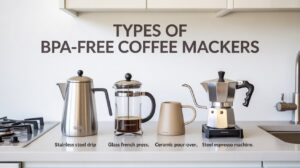
Types of BPA-Free Coffee Makers

Choosing a BPA-free coffee maker depends on your brewing style, household size, and personal preferences. Below are the main types available, each designed to deliver safe, non-toxic coffee while preserving flavor.
Types of BPA-Free Coffee Makers

BPA-Free Drip Coffee Makers

Overview: Drip coffee makers are the most common household machines. They brew coffee by dripping hot water over ground coffee into a carafe.

Why Choose BPA-Free: Many standard drip coffee makers contain plastic reservoirs or filter baskets, which can come into contact with hot water. BPA-free models replace these components with stainless steel, glass, or BPA-free plastics, ensuring safer brewing.

Best For: Families or households who want multiple cups of coffee at once, usually ranging from 4–12 cups.

Benefits:

  • Can brew large quantities of coffee

  • Easy to use with simple controls

  • Often include programmable timers and auto-shutoff features

BPA-Free Single-Serve Coffee Makers

Overview: Single-serve machines brew one cup at a time, usually using pods or ground coffee.

Why Choose BPA-Free: Single-serve machines often have internal plastic components near hot water paths. BPA-free options use safe plastics or stainless steel to prevent chemical exposure.

Best For: Individuals or couples who want quick, convenient coffee without brewing an entire pot.

Benefits:

  • Fast brewing (usually 1–3 minutes per cup)

  • Compact design for small kitchens or offices

  • Some models are compatible with reusable filters

BPA-Free Espresso Machines

Overview: Espresso machines force hot water through finely ground coffee to produce concentrated coffee shots. These machines are also used to make cappuccinos, lattes, and other specialty drinks.

Why Choose BPA-Free: Many espresso machines use plastic parts for water reservoirs or portafilters. BPA-free models replace these parts with stainless steel or BPA-free plastics, ensuring safe contact with hot water and steam.

Best For: Coffee enthusiasts who enjoy espresso-based drinks at home.

Benefits:

  • Produces high-quality espresso shots

  • Often includes steam wands for frothing milk

  • Some machines feature built-in grinders for fresh beans

BPA-Free Pour-Over Coffee Makers

Overview: Pour-over coffee makers are manual brewing devices where water is poured over coffee grounds in a filter, allowing full control over brewing time and temperature.

Why Choose BPA-Free: Many pour-over brewers have plastic components for the holder or water path. BPA-free versions use glass, stainless steel, or ceramic to eliminate chemical exposure.

Best For: Coffee lovers who want maximum flavor control and enjoy a hands-on brewing process.

Benefits:

  • Allows precise control of brewing speed and temperature

  • Preserves coffee aroma and flavor

  • Easy to clean and maintain

BPA-Free Cold Brew Coffee Makers

Overview: Cold brew coffee makers steep coffee grounds in cold water for an extended period, usually 12–24 hours, producing a smooth, low-acidity coffee concentrate.

Why Choose BPA-Free: Because cold brew involves prolonged contact with water, using BPA-free materials such as stainless steel or glass ensures no chemicals leach into the coffee over time.

Best For: People who enjoy smooth, less acidic coffee and want to brew in batches to store in the fridge.

Benefits:

  • Produces naturally sweet, low-acid coffee

  • Coffee can be stored for several days

  • Works well for iced coffee or diluted coffee drinks

Summary:

  • Drip Coffee Makers: Large quantity, family-friendly

  • Single-Serve: Fast, compact, individual cups

  • Espresso Machines: Concentrated shots, specialty drinks

  • Pour-Over: Manual control, flavor-focused

  • Cold Brew: Smooth, low-acid, batch brewing

Each type can now be found in BPA-free versions, made from stainless steel, glass, ceramic, or BPA-free plastics to deliver safe, flavorful coffee.

Key Features to Look for in a BPA-Free Coffee Maker

When choosing a BPA-free coffee maker, certain features are essential for ensuring safety, durability, and optimal brewing performance. Here’s a detailed breakdown of the key aspects to consider:

Material Quality

The materials used in your coffee maker determine both safety and flavor. Look for:

  • Stainless Steel: Highly durable, corrosion-resistant, and naturally BPA-free. Ideal for internal water paths, thermal carafes, and grinders.

  • Glass: Neutral and non-reactive, glass carafes preserve the natural flavor of coffee without risk of chemical leaching.

  • Certified BPA-Free Plastic: Some modern coffee makers still use plastic components. Ensure they are certified BPA-free, particularly in areas exposed to hot water.

Why it matters: High-quality materials prevent chemical contamination, improve taste, and extend the lifespan of your machine.

Brewing Capacity

Coffee makers come in different capacities depending on your household or office needs:

  • Small (4–5 cups): Ideal for individuals or couples. Compact and fast brewing.

  • Standard (8–10 cups): Suitable for daily use in small families.

  • Large (12+ cups): Perfect for offices, large families, or entertaining guests.

Choosing the right capacity ensures you don’t overbrew or waste coffee.

Thermal Carafe

A thermal carafe keeps coffee hot for hours without needing a heating plate.

  • Made of stainless steel with vacuum insulation

  • Maintains consistent temperature without overcooking coffee

  • Reduces burnt taste common in machines with glass carafes on hot plates

Best for: Offices, families, or anyone who wants their coffee to stay hot for extended periods.

Built-in Grinder

Some BPA-free coffee makers include a built-in grinder, usually burr-style, allowing you to grind beans fresh for every brew.

Benefits:

  • Enhances aroma and flavor by using freshly ground beans

  • Combines grinding and brewing in a single machine

  • Some models let you switch to pre-ground coffee if desired

Best for: Coffee enthusiasts who prioritize flavor and freshness.

Programmable Settings

Programmable coffee makers allow you to schedule brewing times in advance.

  • Start brewing automatically at your desired time

  • Control brew strength and cup size in some models

  • Convenient for busy mornings or office environments

Best for: People who want a ready-to-drink cup of coffee as soon as they wake up.

Permanent Filter

Many BPA-free machines include permanent, reusable filters instead of disposable paper filters.

Benefits:

  • Reduces ongoing costs and paper waste

  • Preserves natural coffee oils better than paper filters

  • Easy to clean and maintain

Best for: Eco-conscious users and those looking to reduce waste without compromising flavor.

Summary of Key Features:

  1. Material Quality: Stainless steel, glass, BPA-free plastic

  2. Brewing Capacity: 4–5 cups, 8–10 cups, 12+ cups

  3. Thermal Carafe: Keeps coffee hot without burning

  4. Built-in Grinder: Freshly ground coffee in one step

  5. Programmable Settings: Automatic brewing and convenience

  6. Permanent Filter: Reusable and eco-friendly

These features ensure your BPA-free coffee maker is safe, durable, convenient, and delivers the best possible coffee flavor.

Are Coffee Makers Really BPA Free?

While many coffee makers today advertise themselves as BPA-free, it’s important to understand what that really means.

  • BPA-free labeling does not always mean the machine is completely plastic-free. Some manufacturers only remove BPA from certain parts, like the water reservoir or filter basket, while other plastic components may still exist inside the machine.

  • Only a few models are fully plastic-free, meaning no plastic comes in contact with hot water at all. These are usually made entirely from stainless steel or glass.

  • For those who want maximum safety and chemical-free brewing, stainless steel and glass coffee makers remain the safest choice because they eliminate the risk of chemical leaching from plastics entirely.

Choosing a machine carefully is crucial because even BPA-free plastics may not offer the same durability or taste neutrality as metal or glass.

Plastic-Free vs BPA-Free Coffee Makers

Many people confuse BPA-free with plastic-free, but there is a key difference:

BPA-Free Coffee Makers

  • Use plastic that does not contain BPA.

  • The plastic is considered safer but still comes in contact with hot water.

  • Examples: some drip machines or single-serve pod brewers with BPA-free reservoirs.

Plastic-Free Coffee Makers

  • No plastic touches hot water or coffee at all.

  • Typically made from stainless steel, glass, or ceramic.

  • Offer the safest brewing method, eliminating the possibility of chemical contamination.

  • Examples: fully stainless steel drip machines, stovetop espresso makers, or glass pour-over brewers.

Key Takeaway: BPA-free is safer than standard plastic, but plastic-free machines provide the ultimate peace of mind for health-conscious coffee drinkers.

How to Choose the Best BPA-Free Coffee Maker

Choosing the right BPA-free coffee maker ensures safe, durable, and great-tasting coffee. Here are the key points to consider when selecting your next machine:

1. Check the Brewing Chamber Material

The brewing chamber is where hot water meets coffee grounds. Make sure it is made of stainless steel, glass, or BPA-free plastic. Avoid machines where cheap plastic comes into direct contact with hot water, as this may affect both safety and flavor.

2. Look for Stainless Steel Water Paths

Some coffee makers use internal plastic tubing to transport water. For maximum safety, select models with stainless steel water paths. These prevent chemical leaching and ensure that the water only touches safe materials during brewing.

3. Avoid Cheap Plastic Heating Elements

Heating elements in lower-end coffee makers are sometimes made of inexpensive plastic. Over time, exposure to high temperatures can compromise BPA-free plastics and even affect coffee taste. Machines with metal or stainless steel heating elements are more durable and safer.

4. Choose Trusted Coffee Brands

Reliable brands are more likely to provide certified BPA-free parts, transparent material information, and quality construction. Look for brands with positive reviews, safety certifications, and a strong reputation in the coffee community.

5. Consider Size and Brewing Style

Your choice should match your needs:

  • Small 4–5 cup machines: Ideal for individuals or couples

  • 8–10 cup standard machines: Good for small families

  • 12+ cup machines: Perfect for offices or large households

  • Consider your preferred brew type—drip, single-serve, espresso, pour-over, or cold brew—to ensure the machine fits your lifestyle.

Best Materials for Non-Toxic Coffee Makers

Stainless Steel

  • Extremely durable and corrosion-resistant

  • Completely BPA-free

  • Ideal for internal water paths, thermal carafes, and grinder components

Glass

  • Neutral and non-reactive

  • Preserves coffee flavor without chemical contamination

  • Common in carafes and pour-over brewers

Ceramic

  • Safe and chemically inert

  • Less common but excellent for manual brewing

  • Maintains coffee’s natural aroma and taste

Key Takeaway:
For the safest, longest-lasting, and best-tasting coffee, choose machines made from stainless steel or glass, avoid cheap plastic components, and match the size and brew type to your household needs.

Common Mistakes When Buying BPA-Free Coffee Makers

Even when shopping for BPA-free coffee makers, many people make common mistakes that can compromise safety, coffee quality, or convenience. Being aware of these pitfalls helps you choose the right machine for your needs.

1. Assuming “BPA-Free” Means Plastic-Free

A common misconception is that any coffee maker labeled BPA-free contains no plastic at all. In reality, BPA-free only means that the plastics used do not contain Bisphenol A, but plastic may still be present in the water reservoir, filter basket, or other internal parts.

Why it matters: If your goal is completely chemical-free brewing, you need a truly plastic-free machine made of stainless steel, glass, or ceramic.

2. Ignoring Internal Plastic Tubes

Some coffee makers, even BPA-free ones, use plastic tubing to transport hot water from the reservoir to the brew basket. These tubes can still affect flavor over time and may degrade with repeated heating.

Tip: Look for machines with stainless steel water paths to ensure your coffee only touches safe, non-plastic materials.

3. Choosing Machines with Cheap Heating Plates

Many low-cost coffee makers use thin, low-quality metal or plastic heating plates to keep coffee warm. Over time, these plates can warp, crack, or even impart off-flavors to coffee.

Solution: Select coffee makers with stainless steel or high-quality thermal carafes, which maintain heat safely without compromising flavor.

4. Buying Oversized Coffee Makers Unnecessarily

It’s easy to assume a larger coffee maker is better, but buying a machine that brews more cups than you need can waste coffee and energy.

Recommendation: Choose a coffee maker that matches your daily consumption:

  • 1–2 cups for individuals

  • 4–6 cups for couples

  • 8–12 cups for families or offices

Oversized machines may also take up unnecessary counter space and require more cleaning.

Key Takeaway:
Avoid these mistakes by carefully checking materials, internal water paths, heating quality, and capacity. This ensures that your BPA-free coffee maker is safe, efficient, and delivers the best-tasting coffee every time.

FAQ

Which coffee makers are BPA free?

Many modern coffee makers are labeled BPA-free, meaning any plastic components in contact with water or coffee do not contain Bisphenol A. BPA-free materials are commonly used in water reservoirs, filter baskets, or pod holders. Machines made from stainless steel or glass are naturally BPA-free and offer the safest brewing environment.

Are stainless steel coffee makers BPA free?

Yes. Stainless steel is a naturally BPA-free material, and it does not contain any plastic chemicals. Coffee makers made entirely from stainless steel, or with stainless steel internal water paths, ensure chemical-free brewing and are highly durable.

What is the safest coffee maker material?

The safest materials for coffee makers are:

  • Stainless steel: Durable, heat-resistant, and completely free of plastic chemicals

  • Glass: Neutral, non-reactive, and preserves the natural coffee flavor

  • Ceramic: Safe and chemically inert, though less common in commercial machines

Using these materials ensures that your coffee stays free from unwanted chemicals.

Do plastic coffee makers release BPA?

Older or low-quality coffee makers may contain plastics with BPA. When exposed to high brewing temperatures, these plastics can potentially release small amounts of BPA into your coffee. Modern BPA-free or plastic-free machines eliminate this risk.

Are BPA-free coffee makers completely safe?

BPA-free coffee makers are safer than standard plastic machines, but they may still contain plastic components. For the highest level of safety, choose plastic-free designs made from stainless steel, glass, or ceramic, as these materials completely avoid chemical contact with hot water.

Final Verdict

BPA-free coffee makers are an excellent choice for anyone looking to reduce chemical exposure while enjoying fresh, flavorful coffee. Among available options, stainless steel and glass machines offer the safest brewing experience, combining durability with clean taste.

When choosing the right coffee maker, consider capacity, features, and your preferred brewing style to match your household or personal needs.

  • Best Overall: Technivorm Moccamaster – premium build, consistent brewing, and BPA-free components

  • Best Budget: Black+Decker 12-Cup Thermal Coffee Maker – affordable, reliable, and safe for everyday use

  • Best Plastic-Free Option: Bialetti Moka Express – fully metal construction for chemical-free brewing

With the right choice, you can enjoy healthy, non-toxic coffee every day without compromising flavor or convenience.

Leave a Comment