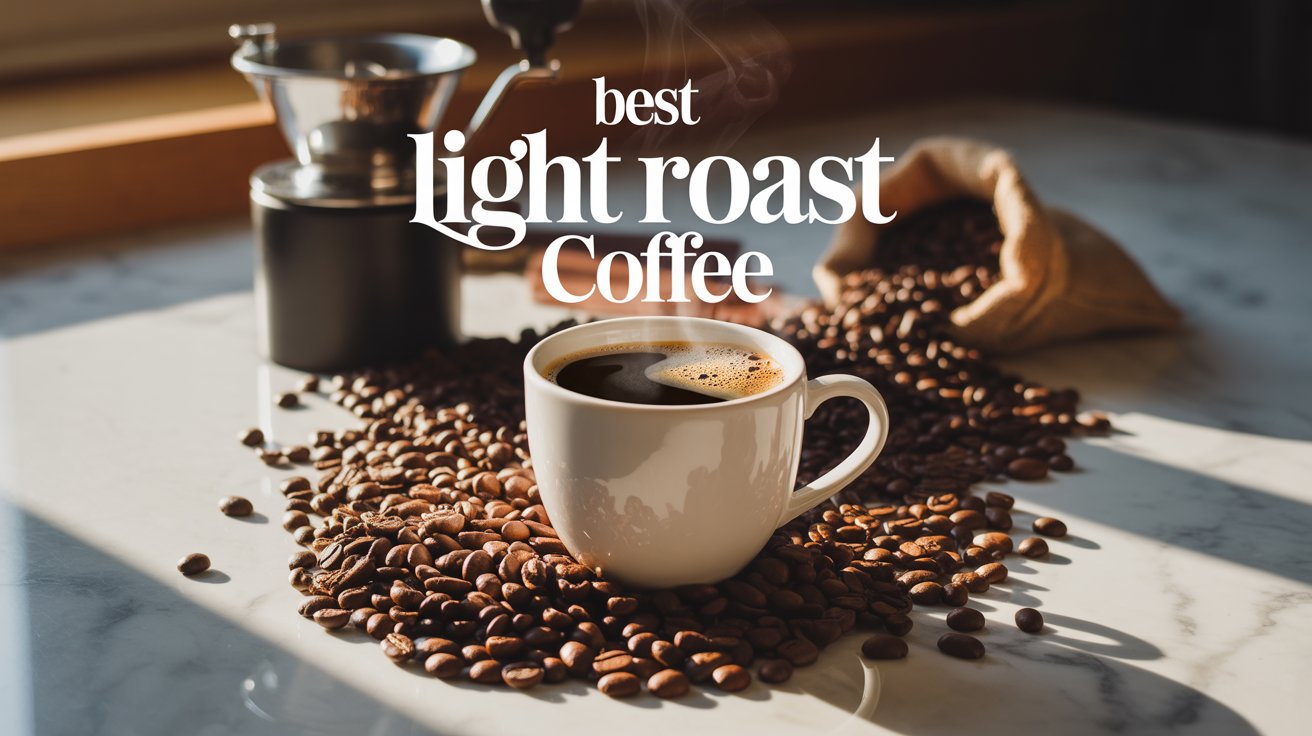
Best light roast coffee refers to coffee beans that are roasted for the shortest time compared to medium or dark roasts, preserving the bean’s original characteristics. This results in a cup that is typically more bright, acidic, and complex, with pronounced origin flavors rather than heavy roast flavors.
Light roast coffee is different mainly in three ways:
- Flavor: More floral, citrus, fruity, and tea-like notes instead of smoky or bitter tones
- Acidity: Higher perceived brightness, which gives a crisp and clean taste
- Caffeine perception: Often misunderstood—light roast does not always have more caffeine; differences are usually minimal and depend more on bean type and brewing method than roast level
This style is ideal for:
- Beginners who prefer smoother, less bitter coffee when properly brewed
- Espresso drinkers who enjoy complex, layered shots with clarity
- Specialty coffee fans who value origin-specific flavors and nuanced tasting notes
In this guide, you’ll get a complete breakdown of the best light roast coffee brands, organic options, K-Cups, brewing methods, budget picks, and buying tips to help you choose the right one based on your taste and lifestyle.
What Is the Best Light Roast Coffee?
The best light roast coffee is not a single product but a category of coffees known for preserving the bean’s natural origin characteristics through minimal roasting. These coffees are typically roasted until just after the first crack, which maintains their original chemical structure and flavor complexity.
Simple Definition (Light Roast Characteristics)
- Light brown color with no surface oil
- Roasted at lower temperatures for a shorter duration
- Retains more of the bean’s natural acids and aromatic compounds
Flavor Profile
Light roast coffees are known for:
- Bright acidity and crisp mouthfeel
- Floral and fruity notes (berries, citrus, stone fruits)
- Tea-like, delicate body rather than heavy or syrupy texture
Caffeine Myth Clarification
A common misconception is that light roast coffee contains significantly more caffeine. In reality:
- Caffeine content is very similar across roast levels
- Differences come mainly from bean density and brewing ratio, not roast darkness
- Light roast may feel “stronger” due to its acidity and sharper flavor profile
Why It’s Trending in Specialty Coffee
Light roast coffee has become popular because:
- It highlights origin-specific flavors (Ethiopia, Kenya, Colombia, etc.)
- It aligns with the third-wave coffee movement focused on quality and traceability
- It offers a more transparent tasting experience compared to darker roasts
Best Light Roast Coffee Brands (Top Picks)
The best light roast coffee brands are selected based on consistency, sourcing quality, roast precision, and flavor clarity.
Premium Specialty Brands
These brands focus on single-origin beans and artisanal roasting:
- Known for high-quality sourcing and roast precision
- Flavor profiles often include floral, citrus, and complex fruit notes
- Typically higher price range due to small-batch production and ethical sourcing
Everyday Supermarket Brands
These are widely available and consistent:
- Designed for balanced flavor and easy accessibility
- Milder brightness compared to specialty roasters
- Suitable for daily drinking without strong acidity shock
Budget-Friendly Brands
These offer entry-level light roast coffee:
- Focus on affordability and availability
- Flavor is simpler but still lighter than medium/dark roasts
- Good choice for beginners exploring light roast style
Best Organic Light Roast Coffee Options
Organic light roast coffee is produced without synthetic pesticides or chemical fertilizers, focusing on sustainable farming practices that often improve both environmental impact and bean quality.
Why Organic Matters
- Supports cleaner agricultural practices and soil health
- Reduces exposure to synthetic chemicals
- Often results in cleaner, more transparent flavor profiles
Top Organic Picks Overview
The best organic light roast coffees typically:
- Come from high-altitude regions with ideal growing conditions
- Offer balanced acidity and natural sweetness
- Are roasted in small batches to maintain quality control
Certification Types
- USDA Organic: Verified chemical-free farming standards
- Fair Trade: Ensures ethical labor practices and farmer compensation
- Some coffees carry both certifications for sustainability and ethics
Best Light Roast Coffee K Cups & Pods
Light roast coffee in K-Cups and pods is designed for convenience without fully sacrificing flavor clarity, though it differs from freshly ground specialty coffee.
Convenience vs Flavor Tradeoff
- Pros: Fast brewing, consistent results, minimal effort
- Cons: Slight loss of complexity compared to freshly ground beans
- Best suited for office use or busy routines
Top K-Cup Style Options
- Light roast K-Cups typically emphasize mild acidity and smooth finish
- Often blended to reduce extreme brightness while keeping light roast character
Leading Pod Systems
- Keurig-style systems: Most common for household use, wide variety available
- Nespresso-style systems: More espresso-focused, better crema and intensity even with lighter roasts
- Pod systems vary in how well they preserve light roast complexity, with higher-end capsules performing better
Best Instant Light Roast Coffee
Instant light roast coffee is designed for situations where speed and convenience matter more than full brewing precision, while still preserving some of the lighter roast character.
When Instant Coffee Is Useful
Instant light roast coffee works best in:
- Travel situations (hotels, flights, outdoor trips)
- Office environments where brewing equipment is limited
- Quick caffeine needs when time is short
- Emergency or backup coffee options
How Modern Instant Coffee Has Improved
Modern instant coffee is significantly better than older versions due to:
- Freeze-drying technology that preserves aroma and flavor compounds
- Better sourcing from specialty-grade beans
- Improved solubility without excessive bitterness
- More options now include single-origin and light roast profiles
Best-Quality Instant Light Roast Characteristics
High-quality instant light roast coffee typically offers:
- Clean, mild acidity without harsh bitterness
- Subtle floral or citrus undertones
- Minimal burnt or artificial aftertaste
- Better balance compared to traditional instant blends
Best Tasting Light Roast Coffee (Flavor Guide)
The “best tasting” light roast coffee depends heavily on individual palate preference, but most high-quality options share identifiable flavor structures.
Flavor Notes Explained
Light roast coffees are commonly associated with:
- Citrus: lemon, orange, grapefruit brightness
- Floral: jasmine, lavender-like aroma complexity
- Honey-like sweetness: natural, smooth sweetness without sugar
These notes are a direct result of minimal roasting, which preserves volatile aromatic compounds.
How Origin Affects Taste
Coffee origin plays a major role in flavor:
- Ethiopia: floral, tea-like, fruity complexity (often blueberry or jasmine notes)
- Colombia: balanced acidity with caramel-like sweetness and mild fruit tones
- Kenya: bright, wine-like acidity with blackcurrant and citrus intensity
What “Best Tasting” Actually Means
There is no universal best. It depends on:
- Preference for bright vs smooth acidity
- Desire for complex vs simple flavor profiles
- Brewing method and extraction quality
A coffee that tastes “best” is the one that matches your taste tolerance and brewing setup.
Best Light Roast Coffee for Beginners
Light roast coffee can be an excellent starting point if chosen correctly, especially for those moving away from overly bitter dark roasts.
Why Beginners Should Start Here
- Offers a cleaner and less bitter introduction to coffee flavors
- Helps you understand origin-based taste differences
- Easier to adjust brewing methods without masking flavors
Smooth vs Acidic Options
Beginners should choose based on tolerance:
- Smooth light roasts: lower acidity, more balanced sweetness
- High-acid light roasts: brighter, more complex but sharper taste
Low Bitterness Recommendations
For beginners, ideal light roasts are:
- Medium-light blends with balanced roast development
- Coffees labeled as “smooth,” “balanced,” or “easy-drinking”
Easy-to-Drink Brand Characteristics
Beginner-friendly coffees typically:
- Avoid extreme acidity
- Use balanced single-origin or blends
- Maintain consistent roast levels for predictable taste
Best Light Roast Coffee Beans for Espresso
Yes, light roast coffee can be used for espresso, but it requires more precise brewing due to its density and acidity.
Can Light Roast Work for Espresso?
- Yes, but extraction behaves differently than dark roast
- Produces a brighter, more acidic espresso shot
- Requires careful dialing in of grind and timing
Flavor Profile in Espresso Shots
Light roast espresso typically delivers:
- High clarity and layered complexity
- Fruity and floral espresso notes
- Less bitterness, but stronger perceived acidity
Ideal Grind + Pressure Tips
- Finer grind than medium roast espresso
- Slightly higher dose or longer extraction time may be needed
- Stable pressure (around 9 bars in espresso machines) is critical for balance
Recommended Bean Characteristics
Best espresso-oriented light roasts:
- Dense, high-altitude beans
- Washed-process coffees for cleaner extraction
- Freshly roasted (within 2–4 weeks) for optimal crema and aroma
Best Way to Brew Light Roast Coffee
Light roast coffee requires optimized extraction techniques because its structure is denser and less soluble than darker roasts.
Brewing Methods Comparison
Pour-Over (Best Clarity)
- Delivers maximum flavor separation and brightness
- Highlights floral and citrus notes clearly
- Ideal for specialty single-origin beans
French Press (Body + Richness)
- Produces fuller body and heavier mouthfeel
- Slightly reduces acidity perception
- Good for those who prefer smoother texture
AeroPress (Balanced Extraction)
- Flexible method with adjustable pressure and time
- Combines clarity and body effectively
- Great for experimenting with light roast profiles
Water Temperature Importance
- Ideal range: 90–96°C (194–205°F)
- Too low = under-extraction (sour, weak taste)
- Too high = over-extraction (harsh bitterness)
Grind Size Guide (Light Roast Specific)
- Pour-over: medium-fine grind
- French press: coarse grind
- AeroPress: medium to medium-fine depending on recipe
Light roasts generally benefit from slightly finer grinding and longer extraction time compared to darker roasts for full flavor development.
Best Light Roast Coffee Under $15
Finding good light roast coffee under $15 is possible, but it usually means balancing quality, freshness, and sourcing transparency within a tighter budget range.
Budget-Friendly Quality Options
At this price point, you can still find:
- Entry-level single-origin light roasts (small bags)
- Reliable blended light roasts designed for daily drinking
- Grocery-store specialty lines with consistent roasting profiles
What Compromises Happen at This Price
To stay under $15, common trade-offs include:
- Less emphasis on rare micro-lots or exotic origins
- Shorter shelf-life freshness compared to premium roasters
- Simpler flavor profiles (less complexity, fewer layered notes)
Best Value-for-Money Characteristics
Good budget light roast coffee typically offers:
- Consistent roast level (no uneven or burnt beans)
- Balanced acidity without extreme sharpness
- Clear labeling of roast date or origin when possible
Grocery Store vs Online Pricing
- Grocery store: easier access, but older stock is common
- Online roasters: fresher beans, but shipping may raise total cost
- Best value is often found in direct-to-consumer sales or discounts
Best Light Roast Coffee Grocery Store Options
Grocery store light roast coffee is ideal for convenience, affordability, and quick availability without waiting for online delivery.
Easy-to-Find Supermarket Brands
Most major supermarkets carry:
- Light roast versions of mainstream coffee brands
- Store-label specialty coffee lines
- Pre-ground and whole bean light roast options
Availability in Major Retail Chains
Light roast coffee is commonly found in:
- Large grocery chains
- Warehouse clubs
- Urban convenience supermarkets
Quick Buying Guide for Beginners
When choosing in-store:
- Prefer whole bean over pre-ground when possible
- Check roast labeling: “light roast” or “blonde roast”
- Avoid bags without roast date information
What to Check on Labels
- Roast level (light / blonde / city roast)
- Origin (single-origin vs blend)
- Packaging freshness (sealed, valve bags preferred)
Best Light Roast Coffee in USA
The USA has one of the most developed specialty coffee markets, especially in light roast production driven by the third-wave coffee movement.
Popular American Specialty Roasters
American roasters are known for:
- Precision roasting with focus on origin clarity
- Strong emphasis on single-origin beans
- Transparent sourcing and direct trade relationships
Regional Coffee Culture Overview
- West Coast: highly experimental, strong specialty coffee culture
- Pacific Northwest: long-standing coffee roasting traditions
- East Coast: balance of specialty and traditional café culture
Subscription Coffee Services in the USA
Coffee subscriptions are widely used for:
- Fresh monthly deliveries
- Access to rotating light roast selections
- Discovering seasonal single-origin coffees
Best Light Roast Coffee Reviews & What to Look For
Reviews are helpful, but only if you understand what signals actually matter for coffee quality.
How to Interpret Reviews Correctly
Focus on patterns, not single opinions:
- Repeated comments about freshness or staleness are highly reliable
- Flavor descriptions should align with roast type (floral, citrus, bright)
- Ignore overly subjective ratings without tasting notes
What Matters Most
Freshness
- Coffee is best within 2–4 weeks of roast date
- Freshness affects aroma, sweetness, and acidity clarity
Roast Date
- More important than “best before” dates
- Always prefer brands that clearly display roast timing
Grind Type
- Whole bean reviews often indicate better overall quality control
- Pre-ground coffee loses flavor faster
Fake vs Real Review Signals
- Fake reviews often lack specific flavor descriptions
- Real reviews mention brewing method and taste notes
- Verified buyers with detailed feedback are more trustworthy
FAQs About Best Light Roast Coffee
Is light roast coffee stronger than dark roast?
No. Caffeine levels are generally similar. “Strength” refers more to flavor intensity and acidity.
What is the healthiest light roast coffee?
There is no single healthiest option, but organic and freshly roasted light coffees are preferred for cleaner sourcing and flavor.
Does light roast coffee have more caffeine?
Not significantly. Differences are minimal and depend more on brewing method and bean weight.
What is the smoothest light roast coffee?
Smoothness usually comes from well-balanced single-origin coffees with lower acidity, often from Colombia or Brazil.
Can I use light roast for espresso?
Yes, but it produces a brighter, more acidic espresso and requires precise grinding and extraction control.
Final Verdict
Choosing the best light roast coffee depends entirely on your drinking style and expectations:
- Beginners → smooth, low-acidity blends for easy drinking
- Espresso users → dense, high-quality light roasts for clarity and complexity
- Budget buyers → grocery store options or under-$15 blends
- Coffee enthusiasts → single-origin specialty beans with transparent sourcing
The best choice is not universal—it’s about matching roast style, brewing method, and flavor preference.
Shahriar brings a unique blend of storytelling prowess and digital expertise to Daily Coffee Guide. With a background in SEO and content strategy, he ensures our articles on Beans, Coffee, Tea, and Drinks are both engaging and discoverable. His passion for coffee culture drives him to explore and share the rich narratives behind every cup.