
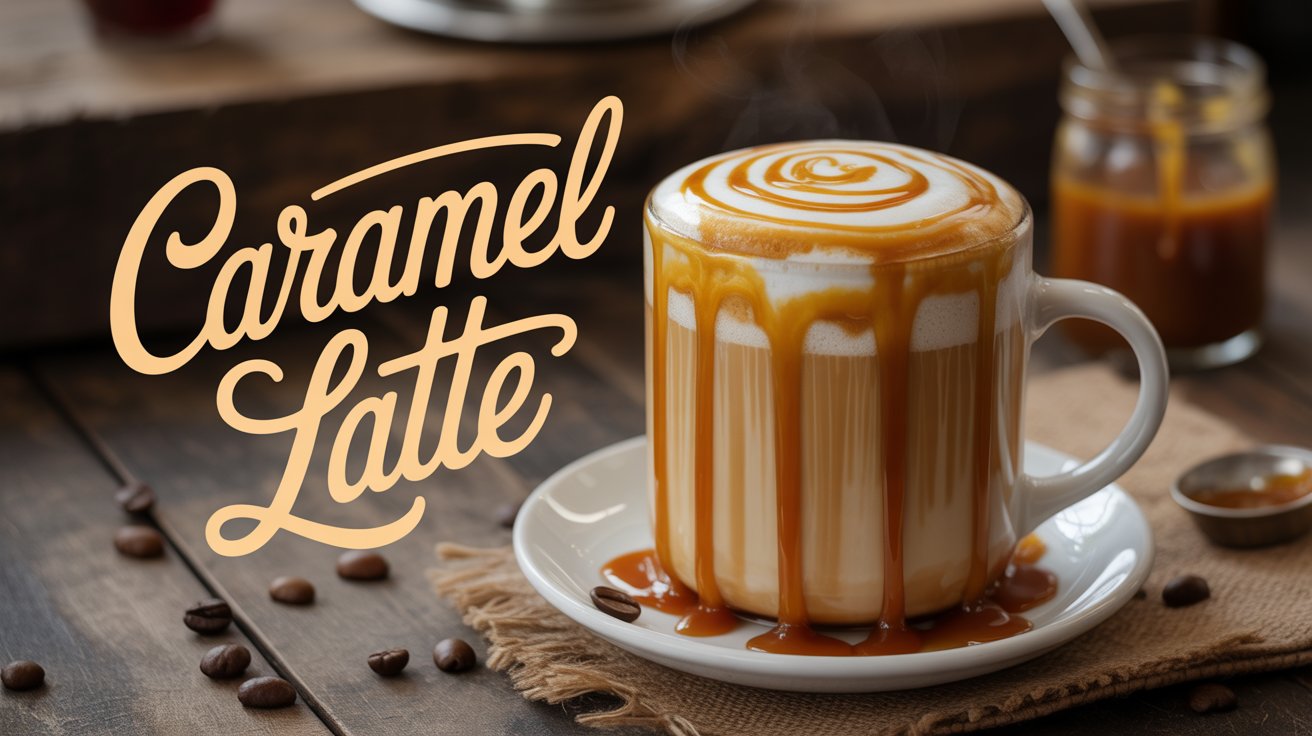
You want a caramel latte that tastes just like the café version — without spending $5 a cup or waiting in line. The good news? You can make one at home in under 10 minutes.
This Caramel Latte Recipe is your shortcut to creamy, perfectly balanced sweetness with rich espresso and frothy milk — every sip just hits right. I’ve tested dozens of combinations — different milks, syrups, and coffee strengths — and this method consistently delivers the flavor and texture you crave.
No guesswork. No messy experiments. Just a step-by-step guide that even a beginner can follow, whether you’re craving a hot morning pick-me-up or a chilled afternoon treat.
In the next few minutes, you’ll learn exactly how to recreate that smooth, frothy, coffee-shop flavor in your own kitchen, without fancy machines or expensive syrups. No guessing. No disappointment. Just a cup you’ll want to savor every morning.
Everything About Caramel Latte
Step into a world where rich espresso meets velvety milk and golden caramel. From cozy mornings to iced summer refreshers, discover the secrets behind every frothy, indulgent cup. Learn expert tips, homemade tricks, and café-style variations that transform your kitchen into a coffeehouse. Everything About Caramel Latte — your ultimate guide to sipping, savoring, and mastering the perfect caramel latte.
What Is a Caramel Latte?
A caramel latte is more than just coffee with sugar. At its core, it’s espresso or strong brewed coffee, steamed milk, and a touch of caramel syrup or homemade caramel sauce, topped with froth. Unlike a macchiato, which is espresso “stained” with foam, or a flavored latte with subtle syrups, this drink balances sweetness, creaminess, and coffee intensity in every sip.
Coffee shops like Starbucks, Peet’s, and Blue Bottle have made it a comfort classic. Home baristas now replicate it for a cozy morning ritual or an afternoon indulgence without leaving the house. Its popularity isn’t just cultural — it’s psychological. A creamy caramel latte triggers dopamine release from both caffeine and sugar, which explains why so many people crave it on chilly mornings or rainy afternoons.
What Makes a Great Caramel Latte — Key Variables
The secret to a perfect caramel latte lies in precision and balance. Here’s what matters most:
Coffee Strength – Use espresso (single or double shot) or a strong brewed Arabica coffee. Weak coffee dilutes flavor; over-extracted coffee tastes bitter.
Caramel Quality – Choose pure caramel syrup or a homemade sauce using brown sugar, butter, and heavy cream. Artificial syrups can overpower the subtle coffee notes.
Milk Type & Frothing – Whole milk creates creamier foam, while oat or almond milk provides vegan alternatives. Microfoam consistency is critical for texture and layering.
Temperature – Milk should reach ~140–150°F (60–65°C) for optimal sweetness perception; overheating scalds the milk and caramel.
Ratio – A standard 1:3:1 ratio (espresso : milk : caramel) ensures a smooth, balanced taste without being cloyingly sweet.
Each variable impacts flavor, mouthfeel, sweetness, and froth stability, so minor adjustments can dramatically change the final cup. For instance, swapping whole milk for almond milk decreases creaminess but allows subtle caramel notes to shine.
Classic Homemade Caramel Latte — Step-by-Step (Hot Version)
Here’s how to craft a barista-style caramel latte in your own kitchen. Follow this guide to get café-quality results without professional equipment.
Ingredients (1 serving)
1 shot (30 ml) espresso or ¼ cup strong brewed coffee
1 cup whole milk (or oat/almond milk for vegan option)
2 tbsp caramel syrup or 1 tbsp homemade caramel sauce
Optional: whipped cream, caramel drizzle, pinch of cinnamon, or sea salt for a salted caramel twist
Equipment Needed
Espresso machine, moka pot, or French press for strong coffee
Small saucepan (if making homemade caramel)
Milk frother, whisk, or French press for frothing
Mug (preferably pre-warmed)
Spoon for stirring and layering
Directions
Brew strong espresso or coffee and pour it into your mug.
Steam or heat milk to 140–150°F, then froth until microfoam forms.
Add caramel syrup or sauce to the coffee and stir gently to combine.
Slowly pour frothed milk over the coffee, using a spoon to hold back foam if layering.
Top with foam, optional whipped cream, a drizzle of caramel, and a sprinkle of cinnamon or sea salt if desired.
Optional Add-ons & Variations
Iced Caramel Latte: Use chilled milk, pour over ice, layer coffee and caramel, swirl gently.
Vegan Version: Substitute oat milk + plant-based caramel syrup.
Low-Sugar: Reduce syrup to 1 tbsp or use sugar-free alternatives.
Copycat Café Style: Use store-bought Starbucks or Peet’s caramel syrup and a double espresso shot.
Nutrition & Calories (Approximate)
Calories: 190–250 kcal (depends on milk and caramel choice)
Carbs: 25–30 g
Protein: 6–8 g (from milk)
Note: Adjust syrup and milk type for lower sugar or dairy-free options.
Popular Variations & Alternatives
Coffee lovers know that one size rarely fits all. The beauty of a caramel latte is its versatility — from refreshing iced versions to vegan adaptations, there’s a perfect cup for every taste, occasion, and dietary need. Below are the most popular variations, tested and refined for both flavor and practicality.
Iced Caramel Latte (for Warm Weather)
Beat the heat without sacrificing flavor. An iced caramel latte keeps the same rich caramel sweetness while offering a cool, refreshing twist.
Ingredients:
1 shot (30 ml) espresso or ¼ cup strong brewed coffee, cooled
½ cup cold milk (whole, oat, or almond)
2 tbsp caramel syrup (chilled)
Ice cubes
Method:
Fill a tall glass with ice.
Pour cooled espresso or coffee over the ice.
Add chilled caramel syrup and cold milk.
Stir gently, then layer frothy milk on top if desired.
Pro Tip: For a visually appealing layered effect, pour milk over the back of a spoon. It mimics the presentation seen at Starbucks or Peet’s.
Vegan / Dairy‑Free / Plant‑Milk Version
Not all milk froths equally, but you can achieve barista-quality foam with plant-based alternatives like oat, soy, or almond milk.
Key Notes:
Oat milk produces the creamiest microfoam, ideal for latte art.
Soy milk offers a neutral flavor and slightly denser foam.
Almond milk tends to separate if overheated — froth gently and serve immediately.
Use vegan caramel syrup or homemade coconut-based caramel sauce to keep it dairy-free.
Health‑Friendly / Low‑Sugar / Light Version
If you’re watching sugar or calories, a lighter caramel latte is still indulgent:
Reduce syrup to 1 tbsp or substitute with monk fruit or erythritol-based caramel syrup.
Use skim milk or unsweetened plant milk.
Brew strong coffee or espresso to retain bold flavor while cutting sweetness.
Insider Tip: A dash of cinnamon or sea salt can enhance perceived sweetness without adding sugar.
Coffee‑Shop Copycat Version
Recreate your favorite café experience at home using espresso and high-quality syrups:
Espresso-based: Double-shot for a rich coffee backbone.
Caramel: Starbucks, Peet’s, or local café-inspired syrups.
Texture: Microfoam created with a frother or French press replicates café latte mouthfeel.
Expert Note: Layering espresso, milk, and caramel carefully enhances both flavor and presentation, making it Instagram-worthy.
Bulk / Multiple Servings Version
Hosting brunch or coffee gatherings? Scale up easily:
Prepare 2–4 shots of espresso in advance.
Make a pitcher of milk, froth gently and keep warm.
Mix caramel syrup into coffee base before combining with frothed milk.
Serve immediately or keep in a thermos to maintain temperature.
Pro Tip: Prepping homemade caramel syrup in advance saves time and ensures consistent flavor across multiple servings.
Comparison — What You Get with Each Version
| Version | Taste | Sweetness | Foam/Froth | Ease | Time | Calories | Best For |
|---|---|---|---|---|---|---|---|
| Classic Hot | Rich & creamy | Medium | Dense | Easy | 5-7m | 190-250 | Cozy mornings, comfort drink |
| Iced | Refreshing & bold | Medium | Light | Medium | 5-10m | 180-230 | Warm weather, iced treat |
| Vegan / Dairy-Free | Nutty, creamy | Medium | Variable | Medium | 5-10m | 180-220 | Plant-based diets, lactose-free |
| Low-Sugar / Light | Balanced, lighter | Low | Medium | Easy | 5-7m | 120-160 | Health-conscious, calorie-light |
| Copycat Café | Café-style, rich | Medium-High | Dense | Medium | 7-10m | 200-260 | Home recreation of favorite coffee shop |
Expert Tips & Pro Tricks for a Better Latte
Making a caramel latte is simple, but mastering flavor, texture, and presentation takes a few insider tricks. These tips ensure every cup tastes like it came from a specialty café.
How to Froth Milk Without a Fancy Frother
You don’t need a commercial steam wand to get creamy microfoam.
Whisk Method: Heat milk to ~140°F, then whisk vigorously in a bowl until frothy.
Mason Jar: Add milk, shake vigorously for 30–45 seconds, then microwave 15–20 seconds for stability.
French Press: Pour warm milk into a French press, pump the plunger 10–15 times to create froth.
Pro Tip: Oat milk froths better than almond milk, while soy milk produces dense, creamy foam.
Choosing the Right Caramel: Store-Bought vs Homemade
Store-Bought Syrup: Convenient, consistent sweetness, easy for iced lattes. Brands like Starbucks, Torani, or Ghirardelli are reliable.
Homemade Caramel Sauce: Richer flavor, natural ingredients, customizable sweetness. Use butter, brown sugar, and cream; cook to soft-ball stage for the perfect pour.
Expert Insight: For a quick weekday latte, syrup works. For weekend indulgence or gifts, homemade sauce impresses.
Balancing Sweetness With Strong Coffee or Espresso
Strong coffee can clash with overly sweet caramel.
Use 1–2 tbsp syrup for a single espresso shot.
Taste as you pour, adjusting for coffee strength.
Sprinkle a pinch of sea salt or cinnamon to enhance perceived sweetness without adding sugar.
Lesson Learned: I once used 3 tbsp syrup with a double espresso — the result was cloying. Adjust ratios to taste.
Temperature and Foam Tips
Milk should not exceed 150°F; scalding destroys sweetness and creates burnt notes.
For iced lattes, layer cold milk over coffee slowly to avoid separation.
Smooth, glossy foam comes from gentle whisking or frothing in small batches.
Insider Tip: Pre-warming your mug retains heat and helps maintain foam stability.
Best Mug/Glass & Serving Suggestions
Use a glass latte mug to showcase layers — coffee, milk, and caramel drizzle.
Swirl caramel lightly on top for visual appeal.
Serve immediately for the freshest taste; foam and flavor degrade if left standing.
Common Mistakes & Myths (and How to Avoid Them)
Understanding common pitfalls saves time and prevents disappointment.
Weak Coffee: Produces watery, bland latte. Always use espresso or strong Arabica brew.
Overheating Milk: Burns milk proteins, ruins caramel flavor. Keep below 150°F.
Myth – More Caramel = Better: Excess syrup overwhelms coffee, masks espresso flavor. Balance is key.
Plant Milk Froth Issues: Almond milk may separate; oat or soy milk recommended for stability. Skip foam if necessary.
Pro Tip: Test froth stability with small pours before committing to the full latte.
When & Why to Drink Caramel Latte — Use Cases & Occasions
A caramel latte isn’t just a beverage; it’s a versatile ritual.
Cozy mornings / winter comfort: Warm, sweet, and indulgent.
Afternoon pick-me-up / dessert substitute: Perfect for a natural energy boost with a touch of sweetness.
Social / hosting: Serve at brunch or gatherings; layered presentation impresses guests.
Customization: Easily tailored — vegan, low-sugar, iced for summer, or double-shot espresso for a stronger kick.
Insight: Knowing when and how to enjoy your latte maximizes both taste and satisfaction — making each cup a small luxury in daily life.
FAQ
What’s the difference between a caramel latte and a caramel macchiato?
A caramel latte mixes espresso (or strong coffee), milk and caramel — blended together, often smooth and creamy. A caramel macchiato layers milk and espresso and typically adds vanilla syrup before a caramel drizzle, giving a more layered, sweeter, and espresso‑forward drink.
Can I make a caramel latte without an espresso machine?
Yes — use a strong brewed coffee (moka pot, French press, or drip) instead of espresso. Many at‑home recipes use “strong brewed coffee + milk + caramel” and still deliver good flavor.
What’s the easiest way to froth milk at home if I don’t have a frother?
You can heat milk gently and whisk vigorously, or pour warm milk into a mason jar, close lid and shake until frothy, or use a French press to pump milk and create foam. These methods work surprisingly well.
Which milk works best in a caramel latte — dairy or plant‑based?
Whole dairy milk gives the creamiest texture and best foam. For plant‑based milks, oat milk often froths and yields nice texture; soy works decently. Almond or lighter milks may foam less and change texture slightly.
Can I make a caramel latte iced or cold?
Absolutely. Use chilled coffee or espresso, cold milk, caramel syrup (chilled), and serve over ice. Many recipes show it’s a quick 5‑min fix when you want something cold and refreshing.
Conclusion
You now have everything you need — from principles to pro‑tips — to make a caramel latte that tastes better than many café versions. Use fresh coffee, good caramel (or make your own), and follow the steps above — your kitchen becomes your personal coffee shop.
Try it now. Taste the difference.

Shahriar brings a unique blend of storytelling prowess and digital expertise to Daily Coffee Guide. With a background in SEO and content strategy, he ensures our articles on Beans, Coffee, Tea, and Drinks are both engaging and discoverable. His passion for coffee culture drives him to explore and share the rich narratives behind every cup.