
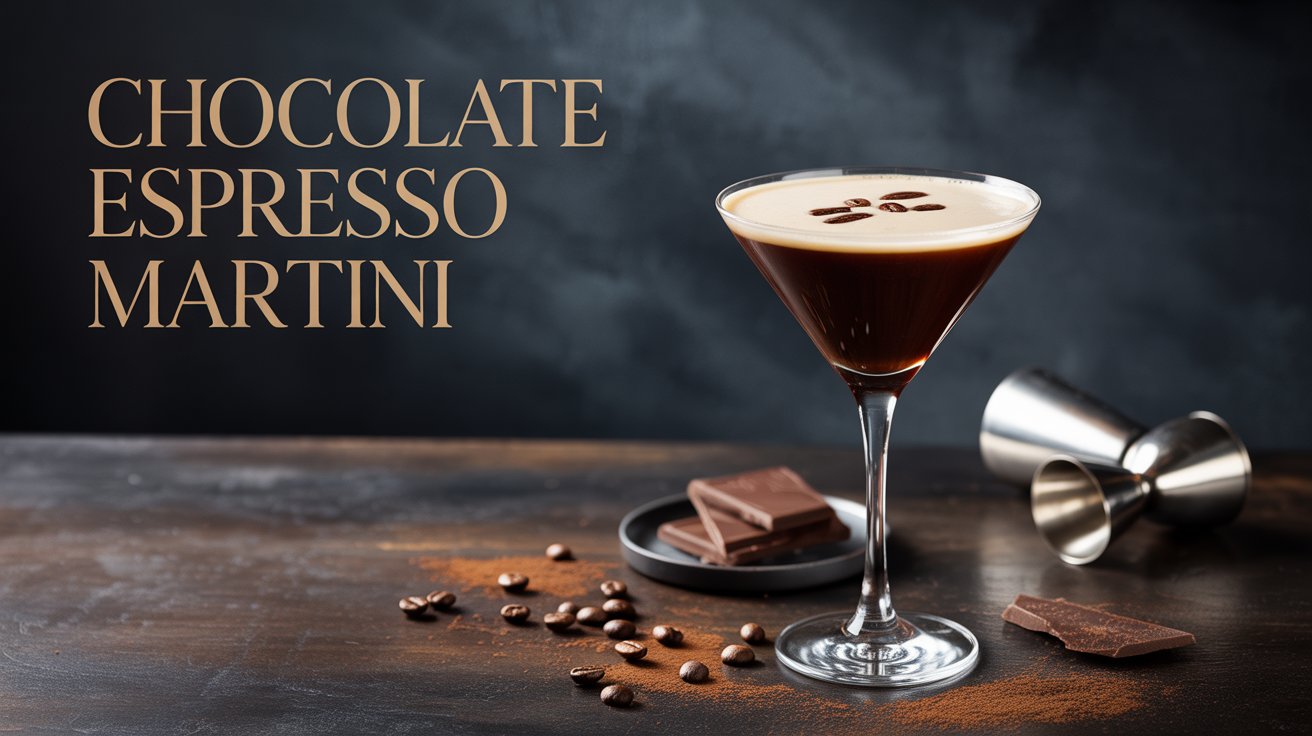
Struggling to nail the perfect balance of rich chocolate and bold espresso in a martini? You’re not alone — even seasoned home bartenders often end up with a flat, overly bitter drink or a separated, messy mess.
The Chocolate Espresso Martini isn’t just a dessert cocktail; it’s a delicate science of flavor, texture, and frothy perfection. But once you know the right ingredients, technique, and tricks, you can recreate a bar-quality version at home — every time.
In this guide, I’ll walk you step by step through recipes, variations, common pitfalls, and pro tips — so your next martini impresses both taste buds and guests.
What Is a Chocolate Espresso Martini?
If you’ve ever wondered what elevates a dessert cocktail to legendary status, the Chocolate Espresso Martini is the answer. At its core, it’s a blend of freshly brewed espresso, premium vodka, coffee liqueur like Kahlúa or Mr Black, and a touch of chocolate — shaken to produce a silky, frothy finish that melts on the tongue.
Origins & Definition
The espresso martini itself was born in the 1980s, credited to London bartender Dick Bradsell, who famously created it for a client (rumored to be a model) who wanted a drink to “wake me up, then f*** me up.” The chocolate variation emerged as mixologists experimented with liqueurs like crème de cacao, cocoa-infused syrups, or shaved dark chocolate, turning the classic cocktail into a dessert-worthy indulgence.
Unlike the classic espresso martini, which emphasizes the espresso’s bitterness balanced with vodka and coffee liqueur, the chocolate twist introduces a sweet, round flavor profile that tempers the espresso’s sharpness. The chocolate doesn’t just sweeten — it interacts with the coffee’s acidity and the vodka’s smoothness to create a layered, indulgent mouthfeel.
Why Chocolate Works — Flavor Chemistry
Chocolate and coffee share overlapping flavor compounds: roasted, bitter notes paired with subtle sweetness. When combined in a martini:
Cocoa flavanols complement coffee aromatics, enhancing perceived richness.
Milk or cream additives (optional) emulsify oils from chocolate and espresso, producing a stable froth.
Bittersweet chocolate balances sugar in liqueurs like Kahlúa or Tia Maria, preventing cloying sweetness.
Seasoned bartenders swear by using freshly pulled espresso over instant: it preserves crema and ensures the chocolate binds with the drink rather than separating.
Why It’s So Popular
The Chocolate Espresso Martini isn’t just a cocktail — it’s a cultural phenomenon. Bartenders, Instagram influencers, and cocktail enthusiasts alike are elevating it to a must-have drink for celebrations, brunches, and trendy bars worldwide.
Cocktail Trend Data
According to Bacardi’s 2025 cocktail report, espresso martinis account for 13% of bar calls globally, and chocolate-infused variations are growing faster than the classic. DistilNews notes that social media has amplified this growth, with TikTok reels featuring chocolate espresso martini “flights” amassing millions of views in under a month.
Cultural Momentum
Its appeal is simple: dessert meets caffeine. The cocktail functions as an after-dinner indulgence and a conversation starter. Instagram and TikTok have turned visually striking chocolate garnishes, cocoa-dusted rims, and layered foams into shareable content, driving bar and home experimentation.
Real-World Example — Bar Flights & Experiences
Bars like Yellow King Brewing and The Alchemist have introduced espresso martini flights — sets of classic, chocolate, and white chocolate variants — which not only boost ticket averages but also allow patrons to compare flavor nuances in one sitting. Home bartenders replicate these flights, experimenting with Baileys, Godiva Chocolate Liqueur, and even seasonal syrups like peppermint or salted caramel.
The chocolate espresso martini’s popularity is no accident: it combines visual appeal, a caffeine kick, and dessert-level satisfaction — all while offering endless room for creativity.
Ingredients Breakdown: What You Need & Why
If you want a Chocolate Espresso Martini that tastes bar-quality, every ingredient matters. The balance between vodka, espresso, coffee liqueur, and chocolate defines the flavor, texture, and froth — skip or substitute poorly, and the drink falls flat.
Core Recipe Components
Vodka: Choose a smooth, neutral vodka. Premium brands like Grey Goose or Belvedere create a cleaner base that lets the coffee and chocolate shine.
Espresso: Freshly pulled espresso delivers crema, aroma, and depth. Avoid instant for a muted flavor; machines like Breville Barista Express or Nespresso Vertuo produce reliable results at home.
Coffee Liqueur: Kahlúa, Mr Black, or Tia Maria provide sweetness and coffee intensity. Each brand changes the flavor subtly: Mr Black is bolder and less sweet, Kahlúa richer and smoother.
Chocolate: Options include crème de cacao, chocolate liqueur, syrup, or melted dark chocolate. Giada De Laurentiis favors espresso + chocolate + coffee liqueur + vodka, while Michael Chiarello adds a lemon-rim and crème de cacao for a zesty twist.
Chocolate Options: Liqueur vs Syrup vs Melted Chocolate
Liqueur: Adds both sweetness and alcohol; binds with espresso for smoother foam.
Syrup: Non-alcoholic option, easier to measure, but can taste one-dimensional.
Melted Chocolate: Rich and decadent, perfect for bar-style presentation; requires proper shaking to prevent clumps.
Espresso Considerations
Strength: Use a double shot or concentrated brew. Too weak, and the chocolate overpowers.
Freshness: Brewed within 5 minutes of shaking ensures crema stays intact.
Machine vs Instant: Machines produce natural oils and crema; instant powders lack texture and can create separation issues.
Optional / Advanced Add-ons
Cream or half-and-half: Enhances froth and mouthfeel; Emma Watson’s twist incorporates a pinch of cream for velvety texture.
Salted pinch or espresso garnish: Elevates aroma and balances sweetness.
Non-Alcoholic / Dairy-Free Alternatives
The Fit Peach offers a dairy-free chocolate Kahlúa mocktail recipe, perfect for keto or vegan adaptations.
Substitute coconut or oat milk, and use coffee syrups to replicate sweetness without alcohol.
How to Make It — Step‑by‑Step
Knowing the ingredients isn’t enough — execution makes the difference between amateur and bartender-level results. Follow these steps to achieve that iconic frothy top and balanced flavor.
Equipment Checklist
Cocktail shaker
Jigger for precise measurements
Fine strainer (to remove ice shards)
Chilled martini or coupe glass
Preparation Steps
Chill the Glass: Place in freezer 5–10 minutes. A cold glass preserves foam and temperature.
Prepare Espresso: Brew fresh, double shot; allow to cool slightly to prevent curdling chocolate.
Combine Ingredients: Add vodka, coffee liqueur, chocolate liqueur or syrup, and espresso to the shaker.
Shake Technique:
Wet Shake: Shake with ice for 15–20 seconds for chilling and dilution.
Dry Shake: Optional, shake without ice first to maximize froth. Reverse dry shake for professional results.
Double Strain: Pour through fine strainer into chilled glass to remove ice shards and create silky texture.
Garnish: Shave chocolate, add espresso beans, or rim the glass with cocoa.
Pro Technique: Frothy “Crema”
Use vigorous shaking with a reverse dry-shake method to create stable, long-lasting foam.
Fresh espresso oils interact with chocolate liqueur to hold bubbles, giving a creamy, luxurious top.
Tip from bartenders: avoid over-sweetening; the foam highlights the espresso’s natural aroma.
Popular Variations & Creative Twists
If the classic Chocolate Espresso Martini satisfies your sweet tooth, these creative spins take the experience to a whole new level. Experimenting with variations lets home bartenders and professional mixologists alike tailor flavor, texture, and presentation — while keeping the drink visually and socially shareable.
Chocolate Praline Espresso Martini
French brand Mathieu Teisseire elevates the standard recipe with a praline syrup base, adding toasted nut notes that complement the espresso’s roast and chocolate richness. This variation works beautifully for cocktail flights or tasting menus, offering a subtle crunch and caramelized undertones.
Creamier or Richer Versions
Adding chocolate cream liqueur, such as Baileys, creates a velvety, dessert-like martini. Blogger Munchies by Mallory demonstrates how a cream-forward approach softens espresso’s bitterness while amplifying chocolate depth. Perfect for cozy evenings or indulgent after-dinner drinks.
White Chocolate Espresso Martini
Giada De Laurentiis swaps dark chocolate for white chocolate liqueur, producing a sweeter, visually striking variant. Its pale color contrasts beautifully with garnishes like espresso beans or cocoa dust, making it ideal for Instagram or holiday presentations.
Low- or No-Alcohol Mocktails
For keto, vegan, or alcohol-free adaptations, blogs like Orchids + Sweet Tea offer chocolate espresso martini mocktails. Substituting coffee syrups, coconut milk, or non-alcoholic liqueurs preserves the layered flavor and froth while keeping it approachable for all guests.
Seasonal or Bar-Style Riffs
Reddit contributors share inventive riffs: salted chocolate, bittered chocolate, fruit infusions, or even banana-rum twists. Bars like The Alchemist often feature espresso martini flights, showcasing chocolate, white chocolate, and seasonal variations side by side. These spins highlight versatility and encourage at-home experimentation.
Garnish Innovation
Upgrade presentation with unconventional garnishes: freeze-dried berries, cocoa-dusted rims, or aromatic bitters. Even a simple espresso bean or chocolate shaving dramatically enhances aroma, Instagram appeal, and perceived luxury.
Pros & Cons — Is It Right for You?
Before shaking up your own batch, consider what makes the Chocolate Espresso Martini a star — and where it can fall short.
Pros
Dessert-like luxury: More than a cocktail, it’s an indulgent experience.
Versatile: Easy to riff with seasonal ingredients or personal flavor tweaks.
Social / Instagrammable: Visually striking foam, chocolate shavings, and garnishes make it highly shareable.
Cons
High sugar and calorie content: Not ideal for low-calorie or strict dietary plans.
Ingredient sensitivity: Requires quality espresso and liqueur; poor choices can compromise taste.
Technical challenges: Chocolate and coffee can separate or curdle if shaken incorrectly — a frequent home-bartender pitfall.
Purist pushback: Traditional martini fans may dismiss dessert twists as non-classic.
Common Mistakes & Myths to Avoid
Even seasoned home bartenders trip up on the Chocolate Espresso Martini if they overlook a few technical details. Avoid these common pitfalls, and you’ll consistently get a silky, frothy drink that tastes as good as it looks.
Myth: Any Chocolate Liqueur Will Work
Not all chocolate liqueurs are created equal. Brands like Godiva, Baileys Chocolate Luxe, and Crème de Cacao differ in sweetness, cocoa concentration, and mix‑stability. Using a liqueur that’s too sweet or too watery can flatten foam or overpower the espresso.
Mistake: Shaking Insufficiently → Weak Foam
Shaking is critical. A weak shake yields thin, flat foam instead of the luxurious crema you see in bars. Bartenders recommend a vigorous 15–20 second wet shake, followed by a reverse dry shake to maximize microfoam and aroma.
Mistake: Using Too-Hot or Too-Strong Espresso
Pouring boiling espresso or an overly concentrated shot can curdle chocolate or make bitterness dominate. Let espresso cool slightly after pulling; aim for around 60–65°C (140–150°F) for optimal integration with liqueurs.
Problem: Chocolate Curdling When Mixed with Coffee
Cocktail enthusiasts frequently report separation issues when chocolate liqueur meets espresso too quickly or at the wrong temperature. The fix:
Slightly cool espresso before shaking
Shake vigorously to emulsify oils
Use high-quality chocolate liqueurs with stable cocoa butter content
Myth: More Chocolate = Better
Balance is everything. Excess chocolate overwhelms espresso’s acidity and can flatten foam. Aim for a nuanced ratio — enough chocolate to complement, not dominate.
Expert Tips from Mixologists
These techniques separate a passable Chocolate Espresso Martini from one worthy of a bar menu.
Dry-Shake Technique for Better Foam
Professional bartenders often use a reverse dry-shake: shake ingredients without ice first, then add ice for a second shake. This locks in air and creates thick, stable microfoam — a trick shared across Reddit bartender forums.
Glass Rim & Garnish Tricks
Elevate presentation with:
Melted chocolate rims
Freeze-dried raspberries or cocoa dust
Aromatic bitters (Angostura or chocolate bitters)
These small touches enhance aroma, visual appeal, and shareability, perfect for Instagram or TikTok features.
Ingredient Substitutions Without Losing Balance
Vodka swaps: neutral vs vanilla-flavored
Coffee liqueur: Kahlúa, Mr Black, or Tia Maria
Espresso: fresh double shot or cold-brew concentrate for smoothness
Maintain the sweet-bitter-creamy ratio when experimenting to prevent flavor imbalance.
Scaling for Bigger Batches
Hosting a party? Mixologists recommend pre-batching the base (vodka + liqueurs + chocolate) and keeping espresso separate. Shake each portion with ice individually to preserve froth and consistency.
Data, Trends & Cocktail Insights
Understanding the Chocolate Espresso Martini isn’t just about flavor — it’s about context. Knowing why it’s popular, who drinks it, and how it performs in bars helps you make better choices at home or when curating menus.
Market Size & Growth
Coffee liqueur sales are surging, with Kahlúa, Tia Maria, and Mr Black leading global markets. Espresso martinis account for 13% of bar cocktail orders, according to the 2025 Bacardi Cocktail Trend Report, signaling both consumer demand and mixology innovation.
Trend Data
Bars and cocktail lounges are responding to this demand by creating espresso martini flights, featuring classic, chocolate, and white chocolate variations. These flights not only increase check averages but also provide social-media-ready experiences that attract younger audiences.
Social Media Popularity
Instagram and TikTok have turned the chocolate espresso martini into a viral phenomenon. Bars like Yellow King Brewing have seen cocktail flight videos reach millions of views, highlighting visual appeal, garnish creativity, and frothy presentation.
Consumer Behavior Insights
People order Chocolate Espresso Martinis for indulgence and novelty. It functions as a dessert, an after-dinner treat, and a conversation starter. Social proof, aesthetics, and the sensory combination of chocolate and espresso drive repeat orders and at-home experimentation.
Buying Guide: What to Buy for Your Martini
Making a Chocolate Espresso Martini that tastes like a bar-quality cocktail starts with smart purchases. Quality ingredients and the right tools make all the difference.
Recommended Spirits & Liqueurs
Vodka: Plain (e.g., Grey Goose, Tito’s) or flavored (vanilla vodka enhances depth)
Coffee Liqueurs: Kahlúa, Mr Black, Tia Maria — each affects sweetness and intensity differently
Chocolate Options: Liqueurs (Godiva, Baileys Chocolate Luxe) or syrups (Mathieu Teisseire Praline Syrup for dessert twists)
Equipment Picks
Shakers: Boston shaker or cobbler shaker for vigorous mixing
Jiggers: Ensure precise ratios
Espresso Machines: Breville Barista Express, Nespresso Vertuo, or high-quality cold-brew concentrate
Alternatives: Moka pot or Aeropress for small-batch home brewing
Glassware & Garnish Tools
Chilled coupe or martini glasses to preserve froth
Fine strainer to remove ice shards
Microplane or grater for chocolate shavings
Garnish spoons or tweezers for delicate additions like freeze-dried raspberries or espresso beans
Where to Buy / How to Choose Quality
Premium spirits: liquor stores or verified online retailers
Coffee liqueurs: check alcohol content, sugar levels, and cocoa origin
Chocolate: use high-cocoa content for balance and stability
Tools: specialty barware shops or Amazon; prioritize durability for repeated use
FAQ
What is a Chocolate Espresso Martini?
It’s a dessert-inspired cocktail combining vodka, coffee liqueur, espresso, and chocolate. The drink is shaken to create a frothy, creamy top and served in a chilled martini or coupe glass.
Can I make a Chocolate Espresso Martini without alcohol?
Yes. Use coffee syrup or non-alcoholic coffee liqueurs and substitute vodka with water or flavored syrup for a mocktail version that keeps the chocolate and espresso flavors intact.
How do I get a frothy top on my espresso martini?
Shake vigorously using a reverse dry-shake technique: first without ice to aerate, then with ice to chill. Double-straining into a chilled glass preserves the silky foam.
Which chocolate works best in an espresso martini?
Bittersweet chocolate liqueur, high-quality chocolate syrups, or melted dark chocolate all work. Balance sweetness with the espresso to avoid overpowering bitterness.
Why does my chocolate espresso martini separate or curdle?
Separation happens when espresso is too hot or chocolate liqueur isn’t stable. Cool your espresso slightly and shake well to emulsify oils and maintain a creamy texture.
Can I make a white chocolate version?
Absolutely. White chocolate liqueur or syrup replaces dark chocolate, creating a sweeter, visually striking cocktail. Garnish with espresso beans or cocoa dust for contrast.
Final Thoughts
Now that you know how to craft the perfect Chocolate Espresso Martini — from choosing the right espresso and chocolate to mastering frothy foam — it’s time to shake, taste, and impress.
Experiment with variations, try creative garnishes, and make this cocktail your signature indulgence. Take the ingredients, tools, and expert tips from this guide, and turn every pour into a memorable experience your friends and guests will talk about.

Shahriar brings a unique blend of storytelling prowess and digital expertise to Daily Coffee Guide. With a background in SEO and content strategy, he ensures our articles on Beans, Coffee, Tea, and Drinks are both engaging and discoverable. His passion for coffee culture drives him to explore and share the rich narratives behind every cup.