
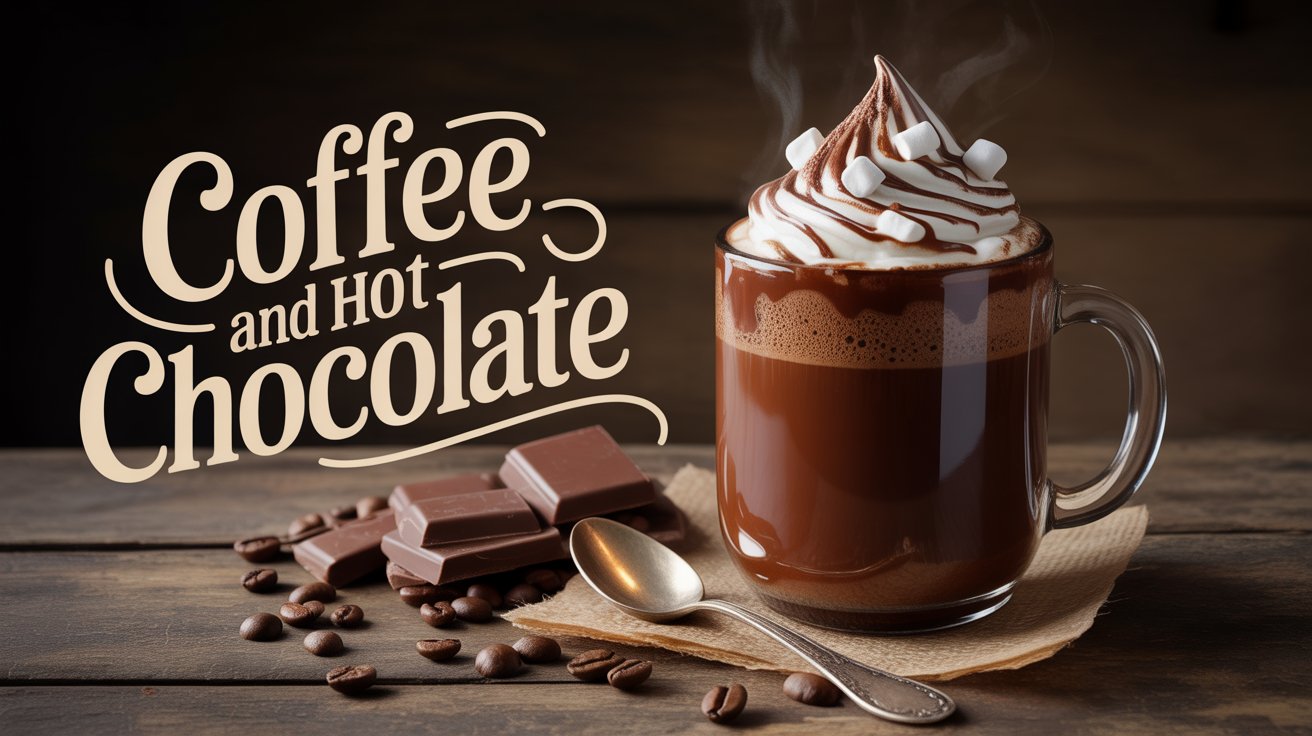
If you’re wondering whether there’s any harm — or real benefit — in mixing coffee and hot chocolate, you’re in the right place. What if I told you that one simple tweak to your morning cup could give you a smoother, longer-lasting energy lift without the typical coffee jitters?
I used to feel like I was pouring sugar-bomb hot chocolate into weak, bitter coffee — and every sip felt off. Then I experimented. I added just a teaspoon of high-quality cocoa to my brewed coffee. Suddenly, I had something richer, more balanced — a drink that felt like a treat and a pick-me-up in one.
Here’s the kicker: cocoa brings theobromine, a gentler stimulant than caffeine, and a host of antioxidants. Combine that with coffee’s punch, and you may hit a sweet spot: alertness without the crash, mood without the frenzy.
In this guide, I’ll walk you through exactly how to mix coffee and hot chocolate, why it works from a science standpoint, how to do it healthily — and when you might want to skip it. Ready? Let’s dive in.
Why People Mix Coffee and Hot Chocolate
Imagine taking the bold punch of coffee and blending it with the smooth, velvety sweetness of hot chocolate. That first sip feels like caffeine and comfort teaming up for the ultimate crossover.
People mix the two for one reason: the combo delivers a flavor hit and a calmer, smoother energy boost you don’t get from coffee alone. It’s part indulgence, part performance upgrade — and once you try it, plain coffee feels… incomplete.
The Appeal – Taste, Comfort & Indulgence
People mix coffee and hot chocolate because it hits two cravings at once: bold flavor and pure comfort. You get the roast of Arabica coffee wrapped in the creamy sweetness of cocoa, similar to what cafés sell as a “mocha” or “caffè mocha.”
This combo feels indulgent without going full dessert. It’s the same emotional payoff people chase with Starbucks Mocha, Swiss Miss, or Ghirardelli Hot Cocoa, just with a DIY twist.
The result? A drink that feels like a warm blanket and a productivity boost in the same cup.
The “Functional Beverage” Motivation – Energy, Mood & Antioxidants
Many people aren’t just chasing flavor — they want functional benefits. Coffee provides caffeine for energy and focus. Cocoa brings theobromine, phenylethylamine, and magnesium, which support mood, calm alertness, and cognitive comfort.
Together, they create a smoother stimulation curve. Less spike. Fewer jitters. More “clean energy,” similar to how wellness brands pair green tea (L-theanine) with caffeine for balanced focus.
This is why athletes, students, coders, and shift workers often pick this mix as a “smart energy” drink.
Common Scenarios – Morning Boost, Evening Treat, Cozy Comfort
You see this combo everywhere:
Morning boost: People replace sugary mochas with a lighter, cheaper “coffee + cocoa” blend.
Afternoon slump: Café regulars use it as a mood-reset without going for a second full-strength coffee.
Cold evenings: It becomes a cozy comfort drink — especially during fall and winter — without the heaviness of full hot chocolate.
What Happens When You Combine Coffee + Cocoa: Health & Chemistry
Mix coffee and cocoa, and you don’t just get a tastier drink — you trigger a tiny chemical drama inside your body. Caffeine and theobromine team up, antioxidants stack, and your brain gets a smoother kind of alertness that feels different from plain coffee.
This is where flavor meets physiology. And once you understand what’s happening under the hood, you can tweak the blend for energy, focus, or pure comfort.
Caffeine vs. Theobromine — How Your Body Reacts
Coffee delivers caffeine. Cocoa delivers theobromine — another methylxanthine but with a gentler, longer-lasting effect. Research on cocoa chemistry (including studies often referenced by journals like Potravinarstvo) shows that theobromine, not caffeine, dominates cocoa’s stimulant profile.
Here’s what this means for your body:
How the combo affects you:
More stable alertness: Theobromine prolongs the energizing effect without causing a crash.
Reduced jitters: Cocoa’s calming compounds (like tryptophan and magnesium) help buffer caffeine’s intensity.
Smoother mood lift: Both ingredients boost dopamine and serotonin pathways, though cocoa does it gently.
Mental clarity without overload: Similar to how productivity experts combine coffee with small amounts of dark chocolate for cognitive balance.
If caffeine alone makes you shaky, this mix often delivers a more pleasant stimulation curve.
Antioxidants, Flavonoids & Cardiovascular Effects
Both ingredients pack antioxidants, but they work differently.
Cocoa:
Rich in flavanols that support circulation, blood pressure regulation, and vascular flexibility.
Studies commonly cited by wellness platforms like Shine365 highlight cocoa’s beneficial role in endothelial function.
Dessert brands like Cadbury even spotlight the heart-health angle in their cocoa education pages.
Coffee:
Contains chlorogenic acids linked to improved liver health, lower mortality risk, and reduced incidence of diseases like Type 2 diabetes.
Health sites such as The People’s Pharmacy often cover coffee’s protective effects on long-term health markers.
Together:
You get a potent antioxidant duo. The cocoa flavanols handle blood flow and mood. The coffee polyphenols manage inflammation and metabolic health.
This is one reason café mochas became popular far beyond taste — the functional synergy is real.
Potential Downsides & Risks
Even with benefits, mixing coffee and hot chocolate isn’t perfect. Here’s what to watch:
1. Sugar & Calories
Hot chocolate mixes (like Nestlé, Swiss Miss, or café-style versions) often carry significant sugar loads. That spikes calories fast.
Food bloggers and nutrition-focused sites like CoffeePlusThree warn that a “simple mocha” can cross 200–400 calories depending on milk, syrup, and whipped cream.
2. Caffeine Overload
If you use strong espresso or dark roast coffee, plus cocoa, plus maybe chocolate syrup, you might get more stimulant effect than expected.
Health platforms like Healthline consistently warn that excess caffeine disrupts sleep, increases anxiety, and interferes with cortisol rhythms.
3. Theobromine Considerations
High levels of theobromine may increase heart rate or cause digestive discomfort in sensitive individuals. Most people handle it well, but those with stimulant sensitivity or GERD should test smaller doses.
How to Mix Coffee and Hot Chocolate — Step-by-Step Recipes & Techniques
You can mix coffee and hot chocolate in minutes using a few smart techniques.
The goal here is simple: create a smooth, balanced mocha-style drink without bitterness, grit, or excess sugar.
These recipes work with espresso, drip coffee, French press, Nespresso, Starbucks Via, or any high-quality cocoa (like Ghirardelli, Valrhona, or Hershey’s Cocoa).
Basic Classic Mocha-Style
This is the foundational “coffee + cocoa” recipe most cafés use behind the bar.
Steps (HowTo-ready):
Brew your coffee.
Espresso gives intensity.
Drip or French press gives a smoother, bigger cup.
Heat your milk or plant milk (almond, oat, soy).
Add 1 tsp unsweetened cocoa powder per 8 oz of coffee.
Or use 1 packet of hot chocolate mix for a sweeter profile.
Whisk or froth until the cocoa fully dissolves.
Sweeten if needed — sugar, honey, agave, or stevia.
Add optional toppings: whipped cream, cinnamon, vanilla, shaved chocolate.
Pro tip: Coffee chains like Costa, Dunkin’, and Starbucks always emulsify cocoa into hot milk before adding coffee to prevent clumping. Copy that technique for barista-level smoothness.
Low-Sugar / Health-Conscious Version
You can make a lighter, macro-friendly version without sacrificing flavor.
How to do it:
Use unsweetened cocoa for lower calories and higher flavanol content.
Add just a touch of sweetener (½ tsp) or skip entirely.
Use plant-based milk like almond or oat to reduce fat.
Use a medium roast coffee (like Arabica Colombian or Ethiopian Yirgacheffe) for natural sweetness.
High-Flavour / Indulgent Version
This is dessert-in-a-cup.
Think café mocha from a specialty shop like Blue Bottle, Intelligentsia, or La Colombe.
How to upgrade flavor:
Melt 10–20 g of dark chocolate (70%+) directly into the hot coffee.
Use whole milk or a splash of cream for richness.
Add flavor enhancers:
Vanilla extract
Sea salt
Cinnamon
Chili (Mexican-style hot chocolate profile)
You get a thicker mouthfeel and deeper cocoa notes than using powder alone.
Technique Tips to Avoid Grittiness
You avoid grit by treating cocoa like a baking ingredient, not a drink mix.
Best-practice techniques:
Create a slurry: Mix cocoa with 1–2 tbsp warm milk before adding to the main drink.
Use a hand frother: This dissolves particles better than a spoon.
Watch the temperature: Cocoa dissolves best around 160–175°F (70–80°C).
Milk that’s too hot scorches cocoa.
Milk that’s too cool leaves dry granules.
Use finer cocoa: Brands like Droste or Valrhona dissolve better because of their powder micronization.
If you follow these steps, your drink turns silky — closer to a barista-grade mocha.
Use Cases & Customization: When & Why to Pick Each Version
Choosing the right recipe depends on the time of day, your caffeine tolerance, and your goal.
Here’s how to pick the perfect version without overthinking it.
Morning Energy Boost — Balanced Caffeine + Theobromine
The classic mocha-style works best here.
You get a fast caffeine hit from coffee and slower, smoother stimulation from cocoa’s theobromine.
Great for:
Commuters
Students
Remote workers
Anyone who wants focus without a jitter spike
Afternoon Pick-Me-Up — Gentler Stimulant Effects
Use a half-caf or drip-coffee base with extra cocoa.
This gives mood lift and clarity without wrecking your sleep cycle.
Works well during:
Office slumps
Long Zoom meetings
Study sessions
Creative refresh breaks
Evening Indulgence — Low-Caffeine, More Cocoa-Rich Treat
Skip the espresso.
Use decaf or 50% decaf, then load up on cocoa for richness.
Add-ons that shine at night:
Cinnamon
Marshmallows
A pinch of sea salt
Oat milk for creaminess
You get a dessert-style drink without the late-night caffeine surge.
Diet-Friendly Variants — Calorie-Light, Low Sugar, Plant Milk
Choose the low-sugar version when you want something warm, satisfying, and macro-friendly.
Tips:
Almond milk = lowest calories.
Oat milk = best texture with fewer calories than whole milk.
Stevia or monk fruit sweetener keeps glycemic impact low.
Extra cocoa boosts flavor without needing more sugar.
This version fits keto, weight-loss diets, or anyone tracking nutrition.
Mood / Stress Relief — Antioxidant and Flavonoid Benefits
Cocoa’s flavanols support circulation and mood.
Coffee’s polyphenols support brain and metabolic health.
Pairing them creates a “comfort + clarity” profile — perfect for:
Stressful days
Cold weather
Creative work
Wind-down evening routines (using decaf)
This is the version many well-being enthusiasts, therapists, and even performance coaches recommend for emotional comfort without sedation.
Comparing Alternatives & Variations
If you want the perfect balance of flavor, caffeine, and texture, you need to know the alternatives.
Each variation delivers a different mouthfeel, stimulant effect, and nutritional profile — and choosing the right one saves you from gritty cups, sugar overload, or flat-tasting mixes.
Coffee + Plain Cocoa vs. Traditional Mocha (Café Mocha)
Coffee with plain cocoa tastes more “natural,” less sweet, and slightly bitter — similar to what you’d get at specialty cafés like Blue Bottle or Stumptown when they use unsweetened chocolate bases.
A traditional mocha uses syrups (like Ghirardelli, Torani, or Starbucks Mocha Sauce) that add sweetness, viscosity, and a dessert-like flavor.
Key differences:
Plain cocoa:
Higher flavanols
Lower sugar
More customizable
Earthier flavor
Traditional mocha:
Sweeter and creamier
Consistent café flavor
Higher calories
Smoother texture because syrups emulsify better
If you prefer barista-style richness, go mocha.
If you want a healthier, more cocoa-forward drink, use plain powder.
Coffee + Hot Chocolate Mix (Store-Bought) vs. Homemade Cocoa Powder
Most store-bought mixes — think Swiss Miss, Nestlé, Cadbury, or Land O’Lakes — contain sugar, milk solids, emulsifiers, and stabilizers.
These dissolve easily but deliver more sweetness and calories.
Homemade cocoa powder (like Hershey’s Natural, Valrhona, Ghirardelli Unsweetened) offers better control.
What this means in practice:
Store-bought mix:
Fast dissolution
Sweeter, creamier
More additives
High convenience
Homemade cocoa:
Cleaner ingredient list
Stronger chocolate flavor
Lower sugar
Requires whisking or frothing
Choose store-bought for convenience.
Choose cocoa powder for quality and nutrition.
Substitutes for Cocoa — Carob Powder, Decaf Cocoa, White Chocolate
If you want less caffeine or a different flavor profile, cocoa alternatives work surprisingly well.
Carob powder gives a naturally sweet, slightly nutty flavor.
It’s caffeine-free, high in fiber, and often recommended in wellness communities and Mediterranean diets.
Decaf cocoa (made by removing most methylxanthines) keeps chocolate flavor with minimal stimulation — great for evenings.
White chocolate adds richness without cocoa solids, pairing beautifully with blonde espresso or light roasts from brands like Lavazza or Illy.
Best scenarios:
Carob → caffeine sensitivity, gut-friendly drinks
Decaf cocoa → nighttime indulgence
White chocolate → dessert-style, creamy drinks
Other Functional Add-Ins — Protein Powder, Collagen, Spices (Ginger, Chili)
Adding functional ingredients turns your drink from comfort beverage to performance beverage.
Protein powder (like Optimum Nutrition, Orgain, or Vega) boosts satiety and stabilizes blood sugar after the caffeine hits.
Chocolate or vanilla flavors complement coffee naturally.
Collagen peptides (such as Vital Proteins or Primal Kitchen) dissolve cleanly, adding protein without altering flavor.
Spices increase complexity and functional value.
Chili = Mexican hot chocolate profile
Ginger = warmth and digestion support (Verywell Health notes ginger’s anti-inflammatory benefits)
Cinnamon = sweetness without sugar
Nutmeg = earthy depth
These upgrades work best in creamy, indulgent versions.
Pros & Cons of Mixing Coffee + Hot Chocolate
Before you commit, here’s the quick decision-maker.
This table gives you a fast “should I make this?” answer — ideal for skim readers and snippet seekers.
Pros & Cons Table
| Pros | Cons |
|---|---|
| Richer, more complex flavor | Sugar content can spike depending on mix |
| Smoother, longer-lasting energy (caffeine + theobromine) | Higher calories if using syrups or sweetened cocoa |
| Antioxidant boost from cocoa flavanols and coffee polyphenols | Possible over-stimulation for caffeine-sensitive users |
| Highly customizable — from healthy to indulgent | Risk of clumping if cocoa isn’t dissolved properly |
| Works with many brewing methods and dietary needs | Caffeine amounts vary widely depending on recipe |
| Can support mood and stress reduction | Hot chocolate mixes often contain additives |
Common Mistakes, Myths & Misconceptions
If you want your coffee–hot chocolate mix to taste great and treat your body well, you need to avoid the common pitfalls.
Most mistakes stem from misunderstandings about caffeine, cocoa chemistry, and temperature control.
Myth — “Cocoa Has No Caffeine, So It’s Safe Anytime”
Many people assume cocoa is caffeine-free. It’s not.
Cocoa naturally contains both theobromine and caffeine, which belong to the methylxanthine family.
This means cocoa still affects:
Sleep
Heart rate
Focus
Overall stimulant load when combined with coffee
When you drink coffee + cocoa at night, theobromine may keep you mentally “on” even if caffeine levels drop.
This is why late-night mochas hit some people harder than expected.
Mistake — Adding Cocoa to Boiling Coffee or Milk
If you dump cocoa into boiling liquid, you scorch it.
Scorched cocoa tastes bitter, chalky, and slightly burnt — the opposite of a smooth café mocha.
High heat also causes clumping because cocoa solids seize when shocked by boiling liquid.
Baristas at specialty cafés like Blue Bottle and Intelligentsia avoid this by:
Keeping milk around 150–170°F (65–77°C)
Whisking cocoa into a warm slurry first
Adding coffee gradually for even mixing
Use this technique for a silky, café-level drink.
Myth — “Hot Chocolate Is Healthier Than Coffee”
The truth depends on ingredients — not the drink category.
Hot chocolate mixes from brands like Swiss Miss or Nestlé often contain:
Added sugar
Corn syrup solids
Hydrogenated fats
Artificial flavor
Meanwhile, black coffee has virtually zero calories and is loaded with polyphenols.
So the “healthier” choice depends on whether your cocoa is unsweetened and whether your coffee contains cream, syrups, or sugar.
It’s not about coffee vs. hot chocolate — it’s about what you add to them.
Mistake — Ignoring Total Stimulant Load
You can’t just count caffeine.
Theobromine plays a major role in how your body reacts.
When you combine coffee + cocoa, the total stimulant effect comes from:
Caffeine (fast, sharp)
Theobromine (slow, smooth)
Minor methylxanthines that increase alertness
This combination can feel amazing — unless you’re sensitive.
People with anxiety, insomnia, or pregnancy-related restrictions need to track both compounds.
Data, Trends & Scientific Insights
The science behind coffee + cocoa is deeper than most people realize.
Here’s what recent research and consumer behavior tell us.
Recent Research on Cocoa Methylxanthines
Studies published in journals like Potravinarstvo highlight cocoa’s distinct methylxanthine profile — particularly its high theobromine-to-caffeine ratio.
This matters because:
Theobromine boosts mood and blood flow.
It provides gentler stimulation.
It pairs well with coffee’s faster caffeine spike.
This synergy explains why many people feel “euphoric focus” after drinking coffee + cocoa.
Population Trends — How Many People Mix Them?
While no single global dataset tracks mocha-like drink habits, consumption patterns suggest strong upward momentum.
Trends influencing growth:
Rise of DIY café drinks via TikTok and YouTube
Increased use of Nespresso, Keurig, and moka pots at home
Demand for “functional comfort drinks”
Growing interest in cocoa flavanols and nootropic beverages
Café menus from major brands — Starbucks, Costa Coffee, Pret, Dunkin’ — consistently keep mochas year-round, signaling strong mainstream demand.
Health Data — Coffee Consumption Meta-Analyses
Large-scale meta-analyses on coffee (e.g., from The BMJ, Harvard T.H. Chan School of Public Health) find associations between moderate coffee intake and:
Lower mortality risk
Improved metabolic health
Better liver markers
Lower cardiovascular risk
Pairing coffee with flavanol-rich cocoa compounds this antioxidant advantage — assuming sugar stays controlled.
Expert Tips & Best Practices
Here’s how to brew the best version of coffee + hot chocolate, whether your goal is flavor, health, or balance.
Tip from Baristas: Dial in Brew Strength & Ratios
Use a stronger coffee base when adding cocoa.
Extra cocoa dilutes flavor unless you compensate.
Barista-tested ratios:
1 shot espresso + 1 tbsp cocoa
8 oz drip coffee + 1 tsp cocoa
6 oz strong French press + 1 tbsp hot chocolate mix
For maximum smoothness, whisk cocoa into warm milk first, then add coffee slowly.
Tip from Nutritionists: Manage Stimulant Intake & Sugar
Nutrition experts recommend:
Using unsweetened cocoa (higher flavanols, lower sugar)
Tracking total caffeine + theobromine if sensitive
Swapping sugar with stevia, monk fruit, or a small amount of honey
Choosing plant milks like almond or oat for lighter versions
This keeps the drink energizing but not overwhelming.
Tip for Quality: Choose High-Flavanol Cocoa Powder
Good cocoa powder transforms your drink.
Look for:
Natural, unsweetened cocoa
High flavanol content (brands like Valrhona, Ghirardelli, Droste)
Minimal additives
Fine grind for better emulsification
Avoid low-cost cocoa mixes with fillers — they dissolve easily but reduce nutrition and flavor clarity.
Tip for the Sensitive: When to Avoid This Drink
Skip or adjust coffee + cocoa if you:
Have caffeine sensitivity
Experience anxiety spikes
Struggle with sleep
Are pregnant (consult your doctor about stimulant intake)
Are prone to migraines triggered by chocolate or caffeine
Switch to decaf coffee, decaf cocoa, or carob for a gentler evening version.
Frequently Asked Questions (FAQ)
Can I mix coffee and hot chocolate safely — or is it too much caffeine?
Yes — you can mix them. Hot chocolate or cocoa contributes some caffeine + theobromine, but much less than coffee.
Will mixing cocoa make my drink taste too bitter or gritty?
Not if you do it right. Mix cocoa into warm milk (a “slurry”) before adding coffee, then whisk or froth — that dissolves clumps and smooths out the texture.
Is hot chocolate automatically healthier than coffee?
No. It depends on ingredients. Many store-bought mixes use sugar and milk solids. Black coffee + unsweetened cocoa actually delivers more antioxidants with fewer calories.
Will mixing coffee + cocoa keep me awake late at night?
It might. Cocoa contains stimulants like theobromine — not as strong as coffee, but noticeable if you’re sensitive.
Can I just pour cocoa powder into coffee grounds and brew together?
Better not. Cocoa tends to clump and gum up filters. For best results, stir cocoa into brewed coffee or milk — don’t brew it with coffee grounds.
What cocoa is best for mixing — store-bought hot chocolate mix or plain cocoa powder?
Plain, unsweetened cocoa powder wins. It dissolves cleanly (if you whisk properly), gives stronger chocolate flavor, and avoids added sugar or fillers common in powder mixes.
Conclusion
You’ve got the recipe. You know the trade-offs. Now it’s time to turn that know-how into your new favorite cup.
Try mixing your coffee and hot chocolate with the technique that suits your mood — whether you want a clean morning boost, a low-sugar evening treat, or a rich, chocolatey mocha.

Shahriar brings a unique blend of storytelling prowess and digital expertise to Daily Coffee Guide. With a background in SEO and content strategy, he ensures our articles on Beans, Coffee, Tea, and Drinks are both engaging and discoverable. His passion for coffee culture drives him to explore and share the rich narratives behind every cup.