
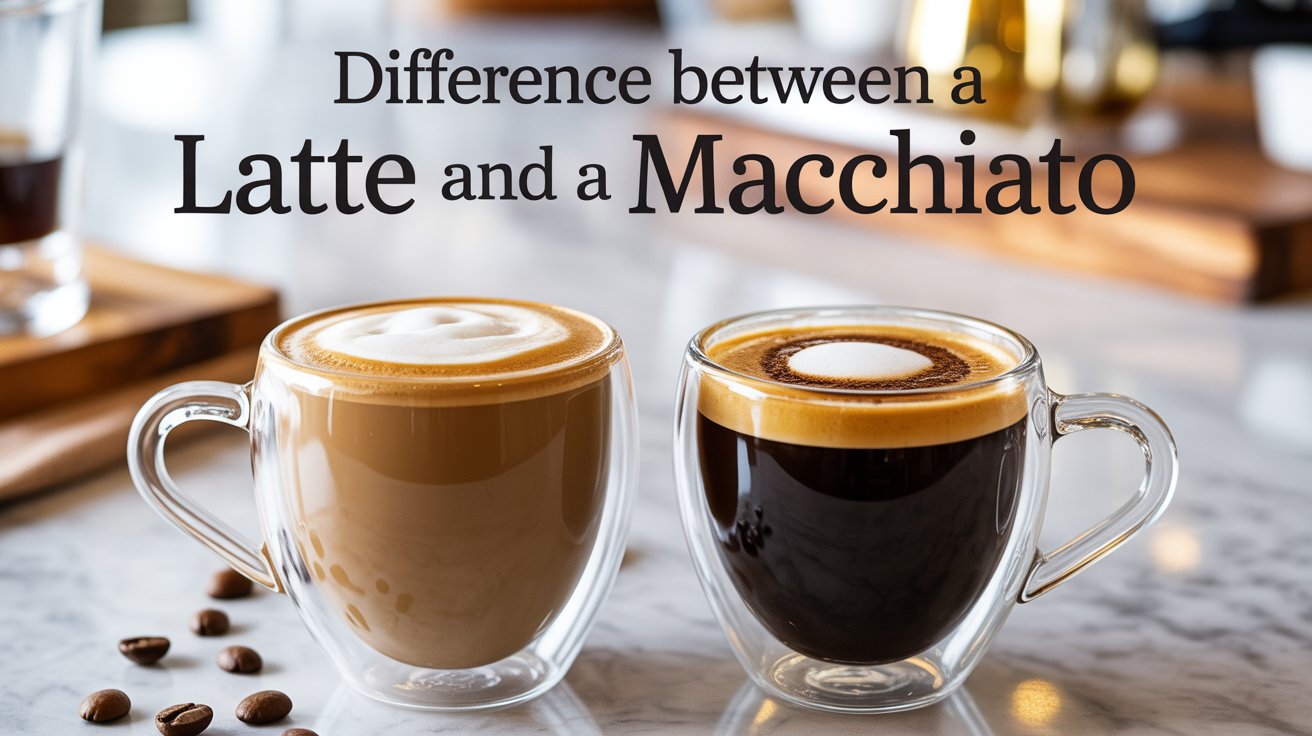
The Real Difference Between a Latte and a Macchiato: Sip‑Smart Guide

If you’re scratching your head about the difference between a latte and a macchiato, here’s the deal: one is creamy milk heaven, the other is bold espresso with just a hint of milk.

You’re not alone — I used to order the “wrong macchiato” at cafés, and let me tell you, it’s embarrassing when what you get doesn’t match what’s in your head.

Here’s why it matters: a latte can feel like a cozy hug in a mug, while a macchiato punches back with character and intensity. That ratio of milk to espresso completely changes not just the flavor, but how the drink feels.

Stick around, because once you understand what truly sets them apart — origin, texture, and serving style — you’ll be ordering (and maybe even making) like a barista, not a newbie.

Origins & Meaning

Understanding a latte and a macchiato starts with their roots — literally. These drinks are not just espresso and milk; they’re cultural icons with a story. Knowing where they come from instantly makes your next café order smarter and your homemade coffee more authentic.

Etymology: What “latte” and “macchiato” Mean in Italian

“Latte” simply means milk in Italian. When you order a caffè latte in Italy, you’re literally asking for coffee with milk — usually a shot of espresso filled with steamed milk. It’s that simple, but context matters.

“Macchiato” translates to “stained” or “marked”. A caffè macchiato is espresso “marked” with just a dollop of foamed milk, highlighting the espresso instead of diluting it. This tiny linguistic detail explains why the drinks feel so different on the palate.

Pro tip from baristas: Italian cafés will always serve the macchiato in a small demitasse cup and the latte in a tall glass. Brands like Tasting Table and Nescafé Australia emphasize that understanding these names is key to avoiding the classic “I didn’t order this!” café moment.

How the Drinks Evolved: Classic Italian Versions vs Modern Café Chains

Originally, these drinks were straightforward: espresso, milk, and foam in precise ratios. In Italy, a macchiato is tiny, espresso-forward, and intense. A latte is a gentle milk-forward drink.

Fast forward to today’s global café chains like Starbucks, Blue Bottle, and local specialty shops, and things get more creative. Latte macchiatos are often layered in tall glasses with multiple shots, syrups, or plant-based milks. Espresso macchiatos sometimes get caramel, vanilla, or hazelnut drizzles.

  • Traditional Italian espresso macchiato: 1–2 oz espresso + a teaspoon of microfoam

  • Modern latte macchiato: 8–12 oz milk + espresso shot poured over top, layered for visual effect

These adaptations highlight a critical point: the ratio of milk to espresso defines the experience, not just the name. Observing how cafés around Milan, Rome, and Florence serve these drinks gives you clues on authenticity versus café theatrics.

What Is a Latte?

A latte is the cozy, creamy coffee you reach for when you want comfort in a cup. It’s not just milk and espresso; it’s a carefully balanced drink where steamed milk and foam create a smooth, mellow sip.

Ingredients & Ratio (Espresso, Steamed Milk, Foam)

  • Espresso: 1–2 shots (depending on cup size)

  • Steamed milk: 6–10 oz

  • Foam: Thin layer (usually 1 cm or less)

According to JavaPresse Coffee Company and Folgers Coffee, this combination makes a latte soft, silky, and less intense than a macchiato, while still delivering that coffee kick. Microfoam is the secret: it emulsifies milk fats for a creamy mouthfeel and a visually appealing surface.

Typical Serving Size & Glassware

  • Standard latte: 8–12 oz

  • Served in a tall glass or ceramic cup, often with a handle

  • Espresso-first pouring method creates a base layer that integrates seamlessly with steamed milk

Tip: If you want barista-quality foam at home, heat milk to 140–150°F — too hot and the proteins break down, too cold and the foam won’t hold.

Flavor, Texture, and Mouthfeel — Why Lattes Feel Smooth and Mellow

The hallmark of a latte is softness on the palate. The espresso provides depth, but steamed milk dominates, creating a velvety texture. According to JavaPresse Coffee Company, the drink’s gentle sweetness allows flavorings like vanilla or caramel to integrate naturally, enhancing the sipping experience without overpowering espresso’s complexity.

  • Espresso provides subtle bitterness

  • Steamed milk balances it with creaminess

  • Microfoam gives a light, airy texture on top

Variations (Iced Latte, Flavored Lattes, Non-Dairy, etc.)

  • Iced latte: Espresso poured over cold milk and ice

  • Flavored latte: Vanilla, caramel, hazelnut syrups commonly added

  • Non-dairy: Oat, almond, or soy milk substitutions — best with frothing-friendly varieties

Baristas recommend oat milk for microfoam stability and a naturally sweet flavor, which enhances the latte without adding syrups.

What Is a Macchiato?

A macchiato is all about espresso in the spotlight. Unlike a latte, it’s not milk-forward — it’s bold, concentrated, and “stained” with just enough milk to soften the edges. Understanding this difference is key if you want to order or make the drink like a pro.

Traditional Espresso Macchiato — Definition, Ingredients, Ratio

A traditional espresso macchiato is deceptively simple:

  • Espresso: 1 shot (30–40 ml)

  • Foamed milk: 1–2 teaspoons

  • Ratio: Roughly 10:1 espresso to milk

Expert insight: Baristas in Milan emphasize pouring milk gently over the crema to maintain the espresso’s intensity and visual contrast.

Latte Macchiato vs Espresso Macchiato — Clarifying the Confusion

This is where most coffee lovers stumble. A latte macchiato starts with milk — steamed and poured into a glass first — and espresso is added on top, creating a layered effect. An espresso macchiato, in contrast, starts with espresso, then receives a small dollop of foam.

  • Latte macchiato: Milk-forward, layered, tall glass, often 8–12 oz

  • Espresso macchiato: Espresso-forward, minimal milk, demitasse cup, 1–2 oz

Reddit users frequently debate this distinction, highlighting real-world confusion at cafés:

“I ordered a macchiato and got a latte macchiato instead — knowing the pouring order makes all the difference.”

Understanding this prevents ordering mishaps and lets you customize your drink to taste exactly as you want.

Serving Size & Presentation

Presentation tells the story before your first sip:

  • Espresso macchiato: Served in a small demitasse cup; a single or double shot with a teaspoon of microfoam

  • Latte macchiato: Served in a tall glass, emphasizing visual layers of milk and espresso

According to Nescafé Australia, presentation is not just aesthetic — it signals to the drinker what to expect: intensity versus creaminess.

Taste Profile — Bold Espresso with a Hint of Milk

The macchiato delivers a punch of espresso tempered slightly by milk. Unlike the latte, which smooths and softens, the macchiato keeps the espresso’s aroma and crema intact.

  • Strong, rich coffee flavor

  • Slightly sweetened by foamed milk

  • Minimal dilution for maximum impact

Juju Blends – Official notes that espresso macchiatos are perfect for quick caffeine hits without losing espresso complexity. They also serve as the base for many modern flavored variations, like caramel macchiatos.

Key Differences Side-by-Side

Here’s a quick reference to understand latte vs macchiato at a glance:

FeatureLatteMacchiato (Espresso)
Espresso-to-Milk Ratio1:3 to 1:510:1
Milk TypeSteamed milk with thin foamSmall dollop of microfoam
Serving Size8–12 oz1–2 oz
GlasswareTall glass or ceramic cupDemitasse cup
Flavor ProfileSmooth, creamy, mellowBold, intense, espresso-forward
Caffeine ContentModerate (depending on shots)Concentrated per oz
Calories (avg)120–180 (8 oz, whole milk)15–25 (1 oz milk addition)

Texture & Foam Differences: Lattes are velvety and airy, macchiatos are firm, lightly foamed.

Serving Size & Volume: Latte is a larger, sipping drink; macchiato is a quick espresso experience.

Caffeine, Calories & Nutrition Comparison: Macchiatos pack concentrated espresso with minimal calories. Lattes are milk-heavy, providing more volume but slightly higher calories.

Pro tip: Adjust your milk type and espresso shot count to control both flavor intensity and caffeine content — especially when trying plant-based milks or home espresso machines.

How to Order Them at a Café

Ordering a latte or a macchiato might seem straightforward — until the barista asks, “Which one?” Knowing the distinctions and café conventions ensures you get exactly the drink you expect.

Ordering Traditional Italian Style vs Chain Style (e.g., Starbucks)

In Italy, a macchiato is served espresso-forward in a demitasse cup, and a latte (caffè latte) is a gentle milk-forward drink in a tall glass. Baristas rarely add syrup unless requested.

In global chains like Starbucks, things get more elaborate:

  • Latte: Often 12–16 oz, flavored syrups optional, customizable milk

  • Latte macchiato: Layered milk first, espresso shot poured on top, visually dramatic

  • Espresso macchiato: Sometimes sweetened with caramel drizzle, served larger than traditional 1–2 oz

Understanding these conventions prevents ordering surprises and ensures your coffee experience matches your expectations.

Customizing (Milk Type, Size, Extra Shots)

Customization is the rule in modern cafés:

  • Milk options: Whole, skim, oat, almond, soy

  • Extra shots: Boost espresso strength without changing milk ratio

  • Size adjustments: Small, medium, large — affects espresso-to-milk balance

Pro tip: Oat milk froths best for microfoam, making both lattes and macchiatos taste richer. Almond or soy milk may require slightly higher steaming temperatures.

Common Ordering Mistakes & Clarifications

Even experienced coffee drinkers get tripped up. Reddit users frequently report confusion:

“A macchiato is layered, … espresso poured over top.”

“Latte macchiato … starts with milk, then espresso slowly poured … see three layers.”

Key takeaways:

  • Ask if it’s a latte macchiato or espresso macchiato; the pouring order matters

  • Visual cues (tall glass vs demitasse cup) can help clarify your order

  • Don’t assume chain names match Italian traditions — always specify espresso-first or milk-first

How to Make Them at Home (Barista-Style)

Making a café-quality latte or macchiato at home is simpler than it looks — if you understand the steps and tools.

Equipment Needed

  • Espresso machine: Single or double shot capability

  • Steam wand or milk frother: Essential for microfoam

  • Milk pitcher: Stainless steel for controlled pouring

  • Thermometer (optional): Ensures milk heats to the ideal 140–150°F

Step-by-Step Recipe

  1. Pull your espresso shot: Use freshly ground beans for optimal flavor.

  2. Steam milk to correct microfoam: Latte requires more steamed milk; espresso macchiato only a dollop of foam.

  3. Pouring technique:

    • Latte: espresso first, then pour milk slowly to integrate

    • Macchiato: espresso first, add a spoon of foam on top

  4. Tips on non-dairy milk: Oat milk froths consistently; soy requires slightly higher temperature; almond froths less but adds sweetness.

Troubleshooting Common Problems

  • Too much foam: Check steam wand technique; avoid overheating milk

  • Weak espresso: Adjust grind size or tamping pressure

  • Overheating milk: Milk above 160°F loses sweetness and texture

  • Layering fails: Pour espresso slowly over milk for latte macchiato; spoon foam gently for espresso macchiato

Pro tip: Practice is key — even baristas pull imperfect shots initially. Watching pouring order and milk texture transforms an average cup into a café-worthy experience.

Pros & Cons — Which One Should You Choose?

Choosing between a latte and a macchiato isn’t just about flavor — it’s about how you want to experience coffee. Both drinks have strengths and trade-offs depending on your taste, lifestyle, and caffeine needs.

When a Latte Is Better — Relaxing, Longer Drink, Flavor Flexibility

Lattes are perfect for slow sippers. With their high milk content, they:

  • Stretch the coffee experience across 8–12 oz

  • Balance espresso bitterness with creamy smoothness

  • Allow for flavor customization: vanilla, caramel, hazelnut, or seasonal syrups

Real-world tip: I personally prefer a latte during afternoon work sessions. It’s indulgent enough to enjoy over 15–20 minutes without an overpowering caffeine hit. Baristas at Blue Bottle Coffee emphasize lattes as the ideal “comfort coffee” for milder espresso blends.

When a Macchiato Is Better — For Strong Espresso Lovers, Quick Caffeine Hit

Macchiatos are the espresso purists’ favorite. With minimal milk, they:

  • Preserve the bold flavor and aroma of the espresso shot

  • Deliver a concentrated caffeine boost in 1–2 oz

  • Work best when you want speed and intensity without a long drinking session

Use case: On busy mornings in Rome or Milan, locals often grab a macchiato at a bar and finish it standing at the counter — a ritual that’s all about efficiency and quality.

Trade-Offs — Milk Calories, Cost, Effort, Machinery

FactorLatteMacchiato
Milk CaloriesHigh (120–180 cal per 8 oz with whole milk)Low (15–25 cal per 1–2 oz milk addition)
Cost per ShotModerateSlightly less (smaller drink)
Effort to MakeRequires proper milk steamingMinimal, just espresso + foam
EquipmentSteam wand or frother idealEspresso machine sufficient

Insight: If you don’t have a steam wand, making a latte at home can be tricky, whereas a macchiato is more forgiving.

Common Myths & Misunderstandings

Even coffee aficionados get confused by names, serving styles, and caffeine assumptions. Let’s clear them up.

Macchiato Always Means Caramel Macchiato — Debunking Starbucks Naming vs Traditional

Many people associate macchiato with Starbucks’ caramel macchiato, but that’s a chain innovation. Traditional Italian macchiatos are espresso-first, minimal milk drinks.

Reddit insight:

“I ordered a macchiato and got a caramel latte instead — classic Starbucks confusion.”

Always specify espresso macchiato vs latte macchiato when ordering outside the U.S.

Latte vs Latte Macchiato: How Pouring Order and Layering Create Different Drinks

In a latte macchiato, steamed milk goes in first and espresso is poured on top, forming distinct layers. A latte, by contrast, starts with espresso, then milk is added, creating a smooth, blended texture.

Reddit note:

“Latte macchiato … starts with milk, then espresso slowly poured … see three layers.”

Understanding pouring order clarifies why the drinks taste and look different.

More Milk = More Caffeine — Why That’s Not Always True

The caffeine content depends on the number of espresso shots, not the milk volume. A large latte with one shot has less caffeine than a small macchiato with a double shot.

Pro tip: If you want a strong coffee without extra volume, choose a macchiato or double-shot espresso in your latte — milk won’t increase caffeine.

Expert Barista Tips & Use Cases

Mastering lattes and macchiatos isn’t just about following a recipe. Baristas reveal subtle techniques that elevate flavor, texture, and presentation. Knowing when and why to pick each drink transforms your coffee experience from ordinary to exceptional.

Pro Tips From Baristas — Getting the Microfoam Right, Controlling Milk Temperature, Layering Tricks

Microfoam is the heart of both drinks, but it’s easy to get wrong. Baristas from Blue Bottle Coffee and Stumptown Coffee Roasters emphasize:

  • Milk temperature: Heat milk to 140–150°F for optimal sweetness; overheating breaks proteins and ruins texture.

  • Foam control: Tap and swirl your pitcher to eliminate large bubbles before pouring.

  • Layering tricks: For a latte macchiato, pour espresso slowly over steamed milk to create three distinct layers; for an espresso macchiato, use a spoon to gently add foam on top.

Pro tip: Use whole milk for richer microfoam; oat milk works best for plant-based microfoam due to its natural sugars and protein content.

Use Cases — When to Pick Which Drink

Your choice depends on time of day, mood, and flavor preference:

  • Morning espresso boost: Espresso macchiato or double-shot macchiato delivers maximum intensity with minimal volume.

  • Afternoon milky comfort: Latte provides a longer, smoother sip to relax and recharge.

  • Plant-based milk drinkers: Oat latte offers creamy texture without dairy compromise.

  • Latte art practice: Tall glass lattes with stable microfoam are perfect for practicing hearts, rosettas, or tulips.

Real-world insight: In specialty cafés across Milan, Florence, and New York City, baristas observe that customers often alternate between macchiato in the morning and latte in the afternoon — a natural rhythm based on caffeine needs and flavor enjoyment.

Nutritional Snapshot — Based on Standard Serving Sizes and Common Milk Types

DrinkSizeMilk TypeCaloriesProteinFatCaffeine
Latte8 ozWhole milk120 cal6 g5 g63 mg (1 shot)
Latte8 ozOat milk130 cal3 g3 g63 mg
Espresso Macchiato2 ozWhole milk foam15–20 cal1 g1 g63 mg (1 shot)
Espresso Macchiato2 ozOat milk foam18 cal0.5 g0.5 g63 mg

Pro tip: Lattes offer more calories due to milk volume but spread caffeine over a larger drink. Macchiatos concentrate espresso flavor with minimal calories — ideal if you want maximum caffeine impact without added volume.

FAQ

What exactly is the difference between a latte and a macchiato?

A latte is espresso mixed with a large amount of steamed milk and a thin foam layer, while a macchiato is a shot of espresso “marked” with just a dollop of milk foam.

Does “macchiato” always mean the caramel Starbucks version?

No — that’s a common misconception. The traditional espresso macchiato is just espresso with a little foam, while Starbucks’ “macchiato” drinks (like the caramel macchiato) are more like a flavored latte.

What’s the difference between an espresso macchiato and a latte macchiato?

An espresso macchiato starts with espresso and then gets a spot of milk foam on top. A latte macchiato inverts that: steamed milk goes in first, then espresso is poured over it — creating layers.

Conclusion

You’ve now got the full roadmap—from origins and ratios to ordering hacks and barista‑level tips—for drilling down the true difference between a latte and a macchiato.

Choose the drink that fits your moment: go for a latte when it’s time to sip, unwind and enjoy the milk‑soft texture; reach for a macchiato when you need espresso front and center, no fluff.

Try this next time you’re at your favourite café: ask for a “short espresso macchiato with oat milk microfoam” and see how much more intentional your experience becomes.

Leave a Comment