
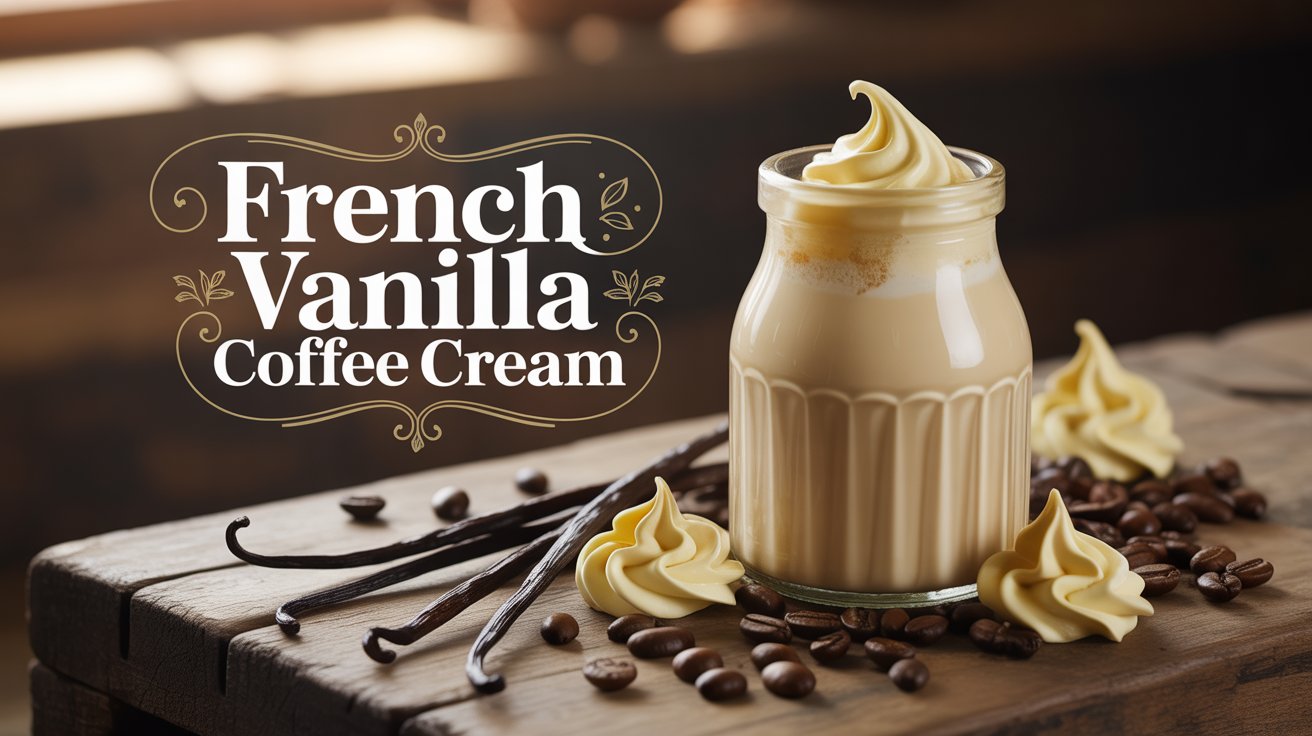
If you want your coffee to taste richer, sweeter, and smoother without turning it into a sugary dessert, here’s the simple fix: choose the right french vanilla coffee cream — and avoid the ones that ruin flavor or curdle in your mug.
Most people think all French vanilla creamers are the same. They’re not.
Some blend like silk. Others leave an oily film, a cloying aftertaste, or make your coffee taste like melted candy.
I’ve tested enough creamers (from dairy to almond to those “zero-sugar” imposters) to know what actually works — and what’s marketing fluff.
The good news? Finding the perfect French vanilla creamer isn’t complicated. You just need to know what flavor profile you want, what ingredients matter, and which options actually deliver café-level taste at home.
Let’s break it down so your next cup hits that sweet, velvety spot — every single time.
What Is “French Vanilla” Coffee Cream (or Creamer)? — Definition & Flavor Profile
Imagine vanilla… but richer, creamier, and made to taste like a café-style dessert.
That’s French vanilla coffee cream.
It turns plain coffee into a smooth, custard-like sip with almost zero effort.
Warm aroma. Silky texture. Instant upgrade.
Here’s the quick breakdown of what makes it different — and why people reach for it every day.
What “French Vanilla” Means (vs. Plain Vanilla)
French vanilla isn’t just “stronger vanilla.” It refers to a richer, custard-like vanilla flavor inspired by classic French-style ice cream, which uses egg yolks for a creamier, more dessert-forward taste.
When brands label something as French vanilla, they typically aim for:
Richer aroma (warm, creamy, almost bakery-like)
Deeper sweetness (more caramelized)
Custard-style roundness rather than sharp, bright vanilla notes
Smoother mouthfeel than standard vanilla flavoring
Plain vanilla generally tastes cleaner and brighter—think vanilla bean or vanilla extract. French vanilla leans nostalgic, luxurious, and cozy, similar to classic custard, crème anglaise, or high-fat vanilla gelato.
Most major creamer brands (Nestlé, International Delight, Coffee mate, Starbucks, Silk, Alpro) use this profile to create a familiar, “café-latte-but-sweeter” experience that consumers expect worldwide.
Key Ingredients & Why They Matter
French vanilla creamers—whether dairy, non-dairy, powdered, or liquid—usually rely on a blend of emulsifiers, sweeteners, and flavor compounds that determine how they behave in your cup.
Most formulations include:
Fats or oils (dairy cream, coconut oil, soybean oil): create body and creaminess
Milk proteins or plant proteins (casein, pea protein, soy protein): help emulsify and prevent separation
Sweeteners (cane sugar, corn syrup solids, stevia, monk fruit): shape sweetness level and mouthfeel
Flavorings (natural or artificial vanilla compounds like vanillin): drive the custard-like profile
Stabilizers & emulsifiers (dipotassium phosphate, carrageenan, gellan gum): keep the creamer smooth, pourable, and shelf-stable
These ingredients matter because they determine:
Creaminess — how silky the coffee becomes
Blendability — whether it mixes cleanly or causes curdling
Shelf stability — especially for powdered or ultra-pasteurized products
Flavor accuracy — how closely it matches the expected French vanilla profile
This is why some creamers feel luxurious while others taste thin or artificial.
Nutritional Snapshot
Most French vanilla creamers fall into predictable nutritional ranges. Here’s a global-average snapshot per 1 tablespoon (15 ml):
| Component | Typical Range | What It Means |
|---|---|---|
| Calories | 20–35 (liquid), 30–45 (powder) | Small amounts add up fast if you use multiple tablespoons. |
| Sugar | 2–5 g | Sweetness varies widely—“zero sugar” versions use alternative sweeteners. |
| Fat | 0.5–2.5 g | Dairy versions use cream; non-dairy rely on vegetable oils. |
| Carbs | 2–5 g | Primarily from sugar or corn syrup solids. |
| Protein | 0–1 g | Slightly higher in dairy or soy-based creamers. |
| Allergens | Milk proteins, soy, nuts (almond-based), coconut | Important for people avoiding dairy or specific allergens. |
For diets like keto, vegan, lactose-free, or low-sugar lifestyles, versions exist globally from major brands using MCT oils, almond milk bases, or nonnutritive sweeteners.
Why People Use French Vanilla Cream — Benefits & Appeal
People don’t reach for French vanilla cream just to “sweeten” coffee — they use it to transform it.
One splash turns a regular cup into a smoother, warmer, café-style drink with that unmistakable vanilla aroma.
It’s fast, consistent, and tastes like you put in way more effort than you did.
Here’s why it’s become a go-to upgrade for millions of coffee lovers.
Taste & Aroma
French vanilla creamer transforms basic coffee into a sweeter, richer café-style drink without needing syrups or barista-level skills. It adds:
A warm, dessert-like vanilla aroma
A smoother, silkier body
Round sweetness that balances bitter or acidic coffees
A “latte-like” profile even with instant coffee or drip brews
This is why it dominates global markets—people love the predictable, indulgent flavor, whether pairing it with Arabica blends, dark roasts, cold brew, or espresso.
Convenience & Shelf-Stability
One major appeal: you don’t need to refrigerate many types.
Powdered creamers and some ultra-pasteurized liquids are designed for:
Long shelf life
Easy transport (workplace, travel, camping, hotels)
No risk of spoilage when left out
Consistent flavor whether you’re at home or on the go
Non-dairy and plant-based versions often last even longer because they don’t rely on fresh milk or cream.
For millions of coffee drinkers worldwide, this convenience outweighs the need for refrigerated half-and-half or fresh milk.
Dietary or Lifestyle Considerations
French vanilla creamers come in variations that work across nearly every dietary preference:
Lactose-free options for people with lactose intolerance
Non-dairy versions (almond, oat, soy, coconut, cashew) for vegans or dairy-sensitive consumers
Low-fat or fat-free options for calorie-conscious drinkers
Sugar-free or zero-sugar versions for people limiting sugar intake
Keto-friendly MCT-oil blends for low-carb lifestyles
The global market keeps expanding because consumers want flavor without sacrificing dietary alignment.
Pros & Cons of Using French Vanilla Creamers
French vanilla creamers make your coffee taste richer, sweeter, and instantly more enjoyable — but they’re not perfect.
Before you pour another splash, here’s the quick, no-fluff breakdown of what they do well… and where they fall short.
Pros
Adds creamy richness + vanilla flavor instantly.
You get a café-style upgrade without needing syrups, steaming, or frothing equipment.Non-dairy and shelf-stable options are widely available.
Powdered, ultra-pasteurized, and plant-based creamers stay fresh for months and travel well.Works in hot and cold drinks.
It blends into drip coffee, espresso, cold brew, iced lattes, and even protein shakes.Delivers consistent taste with zero effort.
This is why brands like Coffee mate, International Delight, Nestlé, Starbucks, Silk, and Alpro dominate global markets—consumers know exactly what they’ll get.
Cons / Trade-offs
Can be high in sugar or processed ingredients.
Many formulas rely on vegetable oils, emulsifiers, and artificial flavor compounds.Flavor can taste too sweet or artificial for some.
French vanilla’s dessert-like profile doesn’t suit drinkers who prefer clean, dairy-forward notes.Lower protein and nutrition than real dairy.
If you normally rely on milk for protein, calcium, or micronutrients, creamers offer less value.Additives can be a turn-off.
Ingredients like carrageenan, mono- and diglycerides, or dipotassium phosphate may not appeal to clean-label or whole-food enthusiasts.
Common Variants & Alternatives — Which Creamer Should You Choose?
Not all French vanilla creamers taste — or work — the same.
t=”263″ data-end=”266″ />>Some are extra creamy. Some are lighter. Some skip dairy entirely.
If you want the best fit for your taste, diet, or coffee style, here’s the fast breakdown of what to choose… and what to skip.
Dairy vs. Non-Dairy vs. Plant-Based
Dairy French vanilla creamers
Taste: Richer, rounder, more natural creaminess
Texture: Silky, authentic mouthfeel
Best for: Coffee drinkers who want real milk/cream flavor
Non-dairy (oil-based) creamers
Taste: Smooth and sweet
Texture: Consistent, stable, mixes well
Best for: People who want convenience, long shelf life, or dairy-free options
Plant-based creamers (almond, soy, oat, coconut, cashew)
Almond: Light, slightly nutty; great for mild roasts
Soy: Creamier with higher protein
Oat: Thick, naturally sweet, highly popular in specialty cafés
Coconut: Rich but can add coconut flavor
Cashew: Smooth, neutral, blends beautifully
Each plant base brings its own flavor and viscosity, which affects how it pairs with beans like Arabica, Robusta, single-origin Ethiopian, or darker Italian roasts.
Regular vs. Sugar-Free vs. Low-Calorie French Vanilla Creamers
Regular French vanilla creamers
Sweeter, fuller flavor
Ideal for people who enjoy café-style drinks
Sugar-free creamers
Use sweeteners like sucralose, stevia, or monk fruit
Perfect for keto, low-carb, diabetic-friendly, or calorie-conscious coffee lovers
Low-calorie or fat-free creamers
Reduce fat and sugars
Great for daily drinkers who consume multiple cups and want to control intake
Quick tip:
If you drink 3–4 coffees daily, switching from regular to sugar-free can remove 100–200 calories from your routine.
Homemade French Vanilla Cream — Cleaner Ingredient Option
If you want maximum flavor with minimal ingredients, you can make a simple French vanilla cream at home.
Basic formula:
1 cup milk or half-and-half
1 cup heavy cream
1–2 tablespoons vanilla extract (or vanilla syrup)
Optional: maple syrup, honey, or sugar for sweetness
This version avoids oils, gums, emulsifiers, and long ingredient lists while giving you full control over flavor intensity and sweetness.
It’s also more affordable than buying premium liquid creamers weekly.
Non-Creamer Alternatives
If you prefer a lighter or more natural approach, try these easy swaps:
Milk + vanilla extract — clean, simple, customizable
Milk + vanilla syrup — sweeter café-style flavor
Heavy cream + vanilla extract — rich but low-sugar option
Oat milk + vanilla extract — plant-based and naturally creamy
These alternatives suit clean-label shoppers, minimalists, or people who avoid heavily processed ingredients.
Ratio & Technique: How Much Creamer to Add for the Perfect Cup
Getting the right amount of French vanilla creamer isn’t guesswork — it’s the difference between “nicely flavored” and “dessert-in-a-mug.”
A single tablespoon changes your coffee. Two can completely reshape it.
Here’s the quick guide to dialing in the perfect ratio for your taste, whether you want a light vanilla hint or full-on creamy indulgence.
How Much Creamer to Add for Different Strengths
Use this quick baseline:
Light vanilla hint: 1–2 teaspoons (5–10 ml)
Balanced sweetness + creaminess: 1 tablespoon (15 ml)
Dessert-style richness: 2–3 tablespoons (30–45 ml)
If you use stronger blends—like Italian espresso, French roast, or cold brew concentrate—expect to use slightly more to balance bitterness.
Pro tip:
Pour, taste, adjust. French vanilla creamer intensifies after 30–60 seconds as flavors bloom in hot liquid.
Hot Coffee, Cold Coffee, Lattes & Iced Drinks
Different temperatures change how creamer behaves.
Hot coffee (drip, pour-over, French press):
Creamer melts instantly.
Vanilla aroma becomes more pronounced.
Sweetness spreads evenly.
Best ratio: 1–2 tablespoons depending on roast intensity.
Cold coffee / iced coffee:
Creamer thickens slightly in cold temperatures.
Flavor feels heavier and sweeter.
Add slowly to avoid “cream streaks.”
Best ratio: 2 tablespoons; stir vigorously or shake.
Iced lattes & espresso drinks:
Espresso handles sweetness well because of its natural bitterness.
French vanilla creamer can replace milk + syrup.
Best ratio: 2 tablespoons for iced, 1 tablespoon for hot.
Cold brew:
Cold brew has lower acidity, so creamer tastes smoother.
Dessert-style flavors work extremely well.
Best ratio: 1½–3 tablespoons depending on concentration.
Mixing with Different Coffee Types
French vanilla creamer affects each roast differently:
Dark roast (Sumatra, French roast, Italian):
Bold, smoky, and bitter notes soften.
Works great for strong vanilla lovers.
Use more creamer (2 tbsp+).
Medium roast (Colombian, Brazilian, house blends):
Balanced acidity + sweetness.
Vanilla integrates smoothly.
Use 1–1.5 tbsp.
Light roast (Ethiopian, Kenyan, washed beans):
Fruity, floral notes may clash or get muted.
Start light and increase carefully.
Use 1 tsp–1 tbsp.
Espresso:
Vanilla enhances caramel and chocolate notes.
Overuse can mask complexity.
Use 1–2 tsp for single shots.
Drip / automatic coffee makers:
Consistent extraction means predictable creamer behavior.
Use 1–1.5 tbsp.
Creative Uses Beyond Coffee
French vanilla creamer is surprisingly versatile.
You can use it in:
Vanilla lattes (replace milk + syrup)
Iced vanilla coffee (mix with cold brew)
Blended frappes (adds sweetness + creaminess)
Matcha lattes (for a dessert-like twist)
Hot chocolate (deepens flavor)
Chai lattes (adds smooth vanilla undernotes)
Protein shakes (turns them into milkshake-style drinks)
Oatmeal or overnight oats (richer texture)
Baking (swap for part of the milk in custards, French toast, pancakes)
If the flavor pairs well with vanilla ice cream, it likely works with French vanilla creamer.
What to Watch Out For — Myths & Common Mistakes
French vanilla creamers are delicious — but they come with a few traps that can wreck your coffee or your expectations.
Most people fall for the same myths. Most make the same mistakes.
Myth — “French Vanilla = Natural Vanilla”
Most French vanilla creamers do not use pure vanilla bean or natural vanilla extract.
Instead, many rely on:
Artificial vanillin
Natural + artificial blends
Flavor compounds that mimic custard-style vanilla
“French vanilla” describes the flavor style, not the ingredient origin.
It’s closer to “vanilla custard” than “vanilla bean.”
Mistake — Over-Sweetening or Masking Your Coffee
French vanilla creamer is strong.
Use too much and you:
Lose the bean’s origin notes
Overpower delicate roasts
Turn your morning cup into a dessert drink unintentionally
Tip: Start with 1 teaspoon, taste, then increase.
Great coffee (especially single-origin beans from Ethiopia, Costa Rica, or Guatemala) deserves balance.
Health & Diet Blindspots
Many creamers contain:
Added sugars
Processed vegetable oils
Stabilizers and emulsifiers
Limited nutritional value
To choose wisely:
Check sugar per tablespoon (2–5 g is typical)
Look for lower-oil or plant-based formulas
Try sugar-free if you drink multiple cups a day
Favor shorter ingredient lists if you prefer clean-label options
Consider oat, soy, or almond versions for specific diets
Small daily habits add up fast—especially with flavored creamers.
Storage & Freshness
Even though many French vanilla creamers are shelf-stable, they’re not immune to quality issues.
What to watch out for:
Leaking bottles or cups during transport
Heat exposure in hot climates (affects flavor and texture)
Separation after long storage
Shorter shelf life after opening (usually 7–14 days for liquid dairy creamers)
Powder clumping in humid environments
Always:
Shake before use
Refrigerate once opened (if required)
Check “best by” dates
Store away from heat and direct sunlight
Shelf-stable doesn’t mean “lasts forever”—it just means “lasts longer.”
Buyer Guide — How to Choose & What to Know Before Buying French Vanilla Creamer
If you’re shopping for French vanilla coffee cream, you want one thing: a creamer that tastes amazing without sabotaging your health goals, budget, or coffee ritual.
This guide helps you compare, decide, and pick the right creamer based on ingredients, lifestyle needs, and flavor expectations.
I’m giving you the exact checks that baristas, nutrition coaches, and serious coffee drinkers use — so you buy right the first time.
What to Check on the Label
Most people grab a bottle because the branding looks nice. Don’t. Labels tell you exactly how a creamer will taste, behave, and affect your daily calorie count.
Here’s what matters:
1. Ingredients List (The Deal-Breaker Section)
You want to scan the label from top to bottom. The first 2–3 ingredients determine the entire creamer experience.
Look for:
Base type: dairy (milk, cream) vs. non-dairy (coconut oil, palm oil, soybean oil, oat base).
Flavor source: natural French vanilla flavor vs. artificial flavor.
Sweeteners: cane sugar, monk fruit, sucralose, acesulfame potassium.
Additives: emulsifiers (soy lecithin, mono & diglycerides), stabilizers (gellan gum, carrageenan).
Real-world example:
Creamers with vegetable oil bases tend to feel richer but sometimes leave a mild film. Dairy-based creamers taste cleaner but spoil faster. Oat-based creamers offer a creamy mouthfeel with better sustainability scores.
2. Calories per Serving
Most mainstream creamers sit in the 25–40 calorie range per tablespoon.
Sugar-free versions drop to 10–15 calories, but the flavor often becomes sharper or thinner.
3. Sugar Content
Standard French vanilla creamers often contain 4–5 grams of sugar per tablespoon.
If you drink 2–3 coffees per day, that adds up to dessert-level amounts.
Low-sugar options using stevia or monk fruit maintain sweetness without the spike.
4. Dietary Tags
Scan for:
Non-dairy
Lactose-free
Gluten-free
Vegan
Keto-friendly
Kosher-certified
Global brands like Coffee mate, International Delight, Silk, Califia Farms, and Alpro each offer their own mix of these features. The tag tells you immediately who the product is designed for.
5. Serving Size (The Silent Trap)
Some brands use tiny serving sizes (5–10 ml) which makes the calorie number look small.
Check if the “tablespoon” matches how much you actually pour.
Use-Case / Preference-Based Recommendations
Everyone drinks coffee differently. Pick your creamer based on your priority:
If you want maximum creaminess
Look for:
Dairy creamers
High-fat oat creamers
Brands known for texture (e.g., Coffee mate, Califia Better Half)
These blend seamlessly into hot or iced coffee.
If you prefer low sugar / low calories
Seek out:
Sugar-free or “zero sugar” lines
Monk fruit– or stevia-sweetened versions
Keto creamers with MCT oil and no added sugar
They taste lighter but still give solid vanilla notes.
If you avoid dairy
Prioritize:
Almond-based
Oat-based
Coconut-based
Soy-based options
Non-dairy creamers with natural vanilla flavor taste closest to actual French vanilla desserts.
If you want something shelf-stable / travel-friendly
Choose:
Powdered French vanilla creamers
Mini non-dairy pods
UHT-treated liquids with long shelf lives
Great for office desks, hotels, or long trips.
Recommended Storage & Usage Tips
French vanilla creamers stay at their best when you treat them like a dairy product — even if they’re non-dairy.
Storage Tips
Refrigerate immediately after opening.
Keep the cap tightly sealed to avoid absorbing fridge odors.
Avoid leaving the bottle out during long breakfast sessions.
Shelf Life
Most liquid creamers last 7–14 days after opening (check each brand).
Powdered versions can last months, sometimes longer, if stored in a cool, dry place.
Non-dairy shelf-stable cartons last much longer unopened.
Usage Tips
Shake well before each pour (emulsifiers settle).
Add creamer before milk frothing if you want a smoother texture.
Try 1 tbsp first; adjust based on sweetness preference.
Review of Popular French Vanilla Creamers — Pros, Cons & How They Compare
Here’s a quick snapshot of how major global creamers stack up based on aggregated reviews and common user feedback.
Mini Comparison Table
| Brand | Type | Dairy? | Sugar Level | Approx. Calories | Taste & Texture Profile |
|---|---|---|---|---|---|
| Coffee mate French Vanilla | Liquid | Non-dairy | Regular | ~35 | Sweet, consistent, classic vanilla aroma |
| International Delight French Vanilla | Liquid | Non-dairy | Regular | ~35 | Bold vanilla, smooth, richer sweetness |
| Silk Almond French Vanilla | Plant-based | Non-dairy | Low | ~25 | Light, nutty undertone, mild sweetness |
| Califia Farms French Vanilla | Almond/Oat blend | Non-dairy | Low | ~25 | Creamy, clean finish, less sugary |
| Coffee mate Sugar-Free French Vanilla | Liquid | Non-dairy | Sugar-free | ~15 | Sweet but sharper aftertaste due to sucralose |
Short Summaries & Honest Pros/Cons
People love French vanilla creamers for convenience, flavor, and consistency — but real-world feedback also points out the trade-offs.
Below are honest summaries from regular users and frequent coffee drinkers, so you know exactly what you’re getting before you buy.
Coffee mate French Vanilla
Pros: Rich sweetness, blends easily, globally available.
Cons: Contains vegetable oil and artificial flavor; sweeter than many prefer.
User sentiment: People call it “the safest flavored creamer to buy when you don’t want surprises.”
International Delight French Vanilla
Pros: Strong flavor, great for iced coffee, budget-friendly.
Cons: Can taste overly sweet for minimalists.
User sentiment: Frequently described as “café-style vanilla without café prices.”
Silk Almond French Vanilla
Pros: Lower calories, plant-based, lighter mouthfeel.
Cons: Not as creamy as dairy or oil-based options.
User sentiment: Fans say it “tastes like vanilla ice cream but healthier.”
Califia Farms French Vanilla
Pros: Clean ingredients, oat-like creaminess, lower sugar.
Cons: Pricier; flavor is more subtle.
User sentiment: Loved for being “balanced, not dessert-like.”
Coffee mate Sugar-Free French Vanilla
Pros: Low-calorie, sugar-free, familiar flavor.
Cons: Some detect a mild sucralose aftertaste.
User sentiment: Users say it “hits the spot without blowing your macros.”
FAQ
What is French vanilla coffee creamer — is it dairy or non-dairy?
Many French vanilla creamers are labeled “non-dairy,” but that doesn’t always mean they contain no milk derivatives. Often they rely on water + vegetable oil + milk-derived proteins like caseinate to achieve the creamy texture, rather than fresh milk or cream.
Does French vanilla creamer taste like real cream or milk?
It can, depending on the base. Dairy-based creamers deliver a clean, creamy mouthfeel. Oil-based or plant-based ones give sweetness and smoothness — but may leave a slightly different aftertaste compared with real milk or cream.
Is sugar-free French vanilla creamer healthier than regular ones?
Sugar-free versions cut sugar and reduce calories. But they often rely on artificial sweeteners and other additives instead of sugar, which may affect taste or gut comfort. Use them if you care about sugar intake or calories, but check how they impact taste and digestion.
Can people who are lactose-intolerant or vegan use French vanilla creamer?
You might — but only if the creamer explicitly states “dairy-free” or “plant-based.” Many “non-dairy” creamers remain unsuitable for strict vegans or those allergic to milk proteins because they may contain milk derivatives. Always check the full ingredients list.
Will French vanilla creamer work in iced coffee or cold brew?
Yes. Creamers blend well in cold drinks. Because flavors mellow differently in chilled coffee, expect sweeter, sometimes heavier vanilla and creaminess when used in cold brew or iced coffee. Many users prefer a slightly stronger creamer dose for cold drinks than for hot ones. (Based on aggregated user feedback.)
Can I make a simple French vanilla creamer at home?
Absolutely. You can mix milk or cream + vanilla extract (or vanilla syrup) + optional sweetener. That gives more control over sweetness and ingredients compared to many store-bought, oil-based versions — and often tastes cleaner and more natural.
Conclusion
French vanilla coffee cream turns an ordinary cup into a richer, smoother, café-style moment — without effort, equipment, or barista training. And now you know exactly how to choose it, use it, and avoid the common mistakes that ruin the experience.
So test a spoonful in your next brew. Adjust the ratio. Try it in hot coffee, iced coffee, or even a homemade vanilla latte — and find the version that fits your taste and lifestyle.
Your best-tasting coffee starts with one simple step: try it today and taste the difference.

Shahriar brings a unique blend of storytelling prowess and digital expertise to Daily Coffee Guide. With a background in SEO and content strategy, he ensures our articles on Beans, Coffee, Tea, and Drinks are both engaging and discoverable. His passion for coffee culture drives him to explore and share the rich narratives behind every cup.