
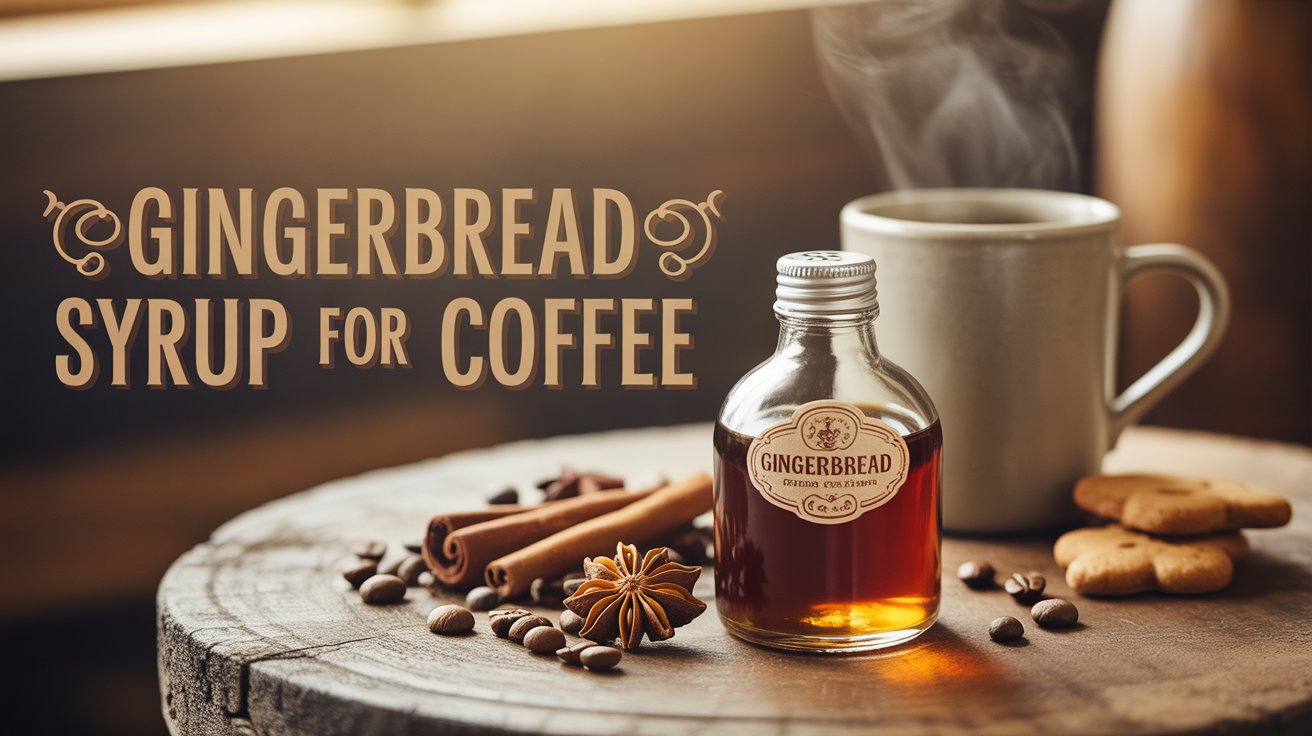
If you’re wondering whether gingerbread syrup for coffee is actually worth it—the short answer is yes, when you use the right kind and the right amount. Done wrong, it tastes artificial and overpowering. Done right, it delivers warm spice, subtle sweetness, and that cozy café flavor people pay extra for.
In This Article
ToggleI’ve tested bottled syrups and homemade versions side by side, and the difference comes down to balance. Most people add too much, choose low-quality syrups, or expect it to taste like a cookie instead of a coffee enhancer. This guide cuts through that confusion—showing you exactly which options work, how to use them, and how to get a barista-level result at home without wasting money or ruining your cup.
Gingerbread Syrup Explained
Gingerbread syrup blends warm spices like ginger, cinnamon, and nutmeg with a touch of molasses, adding cozy, café-style flavor to your coffee. It transforms a simple cup into a rich, aromatic experience.
What It Tastes Like — and Why It Works in Coffee
Gingerbread syrup delivers a layered flavor: warming ginger up front, cinnamon and nutmeg in the middle, and a deep molasses-style sweetness that lingers without overpowering the coffee. When formulated well, it enhances the roast rather than masking it.
In coffee, that spice blend cuts through bitterness and adds perceived body. Dark and medium roasts benefit most, but even lighter roasts gain warmth when the syrup is used with restraint.
The Gingerbread–Coffee Connection
Gingerbread has roots in European winter baking traditions, where spices were used for both preservation and comfort. Coffee culture later adopted those same spices for seasonal drinks, especially during colder months when consumers gravitate toward nostalgic, warming flavors.
That’s why gingerbread syrup feels familiar in a latte or cappuccino—it borrows from centuries-old spice profiles while fitting modern café expectations.
Syrup vs Creamer vs Sauce
Gingerbread syrup dissolves cleanly into hot or iced coffee and gives precise flavor control.
Flavored creamers mute coffee acidity but dilute flavor clarity.
Thicker sauces add richness but can overpower espresso and alter mouthfeel.
If your goal is café-style flavor with flexibility, syrup is the most reliable option.
Best Bottled Gingerbread Syrups for Coffee
If you’re buying gingerbread syrup, you want three things: authentic spice flavor, predictable sweetness, and consistency across drinks. The options below are widely used by home brewers and cafés for that exact reason.
Top Picks
These gingerbread syrups stand out for coffee lovers because they balance warm spice with sweetness, mix consistently in hot or cold drinks, and deliver reliable flavor with every pour. Below are options tailored to different preferences—from classic café taste to diet‑friendly and barista‑grade quality.
Torani Gingerbread Syrup
Best for: Classic café-style drinks
Flavor profile: Balanced spice, moderate sweetness
Pros: Consistent, mixes well hot or iced, familiar taste profile
Cons: Sweetness can overpower lighter roasts if overused
Price range: Mid
Use case: Lattes, cappuccinos, holiday menus
Monin Gingerbread Syrup
Best for: More pronounced spice and depth
Flavor profile: Warm ginger-forward spice with less cloying sweetness
Pros: Cleaner finish, barista-preferred balance
Cons: Slightly higher price
Price range: Mid-high
Use case: Espresso drinks, specialty cafés, less sweet palates
Syruvia Gingerbread Coffee Syrup
Best for: Ingredient-conscious buyers
Flavor profile: Smooth, spice-leaning, controlled sweetness
Pros: Vegan, gluten-free, versatile across drinks
Cons: Less intense than some premium syrups
Price range: Mid
Use case: Everyday home coffee, mixed beverages
Skinny Food Co Sugar-Free Gingerbread Syrup
Best for: Low-calorie or keto lifestyles
Flavor profile: Mild spice, light sweetness
Pros: Zero sugar, low calories, diet-friendly
Cons: Less depth than full-sugar syrups
Price range: Budget-mid
Use case: Iced coffee, milk-based drinks, calorie-controlled diets
RIO Gingerbread Syrup
Best for: Artisanal, European-style coffee drinks
Flavor profile: Rich spice complexity with restrained sweetness
Pros: Barista-grade quality, excellent aroma
Cons: Limited availability in some regions
Price range: Premium
Use case: Specialty coffee, seasonal signature drinks
Product Comparison Table
| Brand | Flavor Strength | Sweetness | Best For | Price | Dietary Tags |
|---|---|---|---|---|---|
| Torani | Medium | Medium-High | Classic café drinks | Mid | Vegetarian |
| Monin | Medium-High | Medium | Espresso-forward drinks | Mid-High | Vegetarian |
| Syruvia | Medium | Medium | Everyday home use | Mid | Vegan, Gluten-Free |
| Skinny Food Co | Low-Medium | Low | Low-calorie diets | Budget-Mid | Sugar-Free, Keto |
| RIO | High | Medium | Specialty coffee | Premium | Vegetarian |
Buying Tips (Read This Before You Choose)
Check the ingredient base. Natural spice extracts and real ginger create depth; artificial flavors flatten fast in coffee.
Match sweetness to your roast. Dark roasts tolerate sweeter syrups. Lighter roasts need restraint.
Consider bottle size. Seasonal drinkers often waste large bottles; frequent users save long-term with larger formats.
Seasonal vs year-round use matters. Some syrups shine during holidays but feel heavy outside winter—choose versatility if you plan to use it beyond December.
When you pick the right gingerbread syrup, coffee stops tasting like a novelty drink and starts tasting intentional. That’s the difference between adding flavor and building one.
DIY Gingerbread Syrup That Tastes Great in Coffee
If you want a gingerbread syrup that actually tastes good in coffee—not watery, not cloying, not flat—make it yourself. A well-balanced homemade syrup gives you control over spice intensity, sweetness, and texture, which is exactly what most store-bought versions get wrong for home brewers.
Experience & Depth
After testing multiple batches, one pattern is clear: coffee-friendly gingerbread syrup needs restraint. Too much ginger turns sharp. Too much sugar kills the coffee. The goal is warmth, not dessert sauce.
This recipe mirrors what baristas use behind the counter—simple ingredients, short simmer time, and deliberate ratios.
Ingredients You’ll Need
Spice Breakdown (Flavor First, Not Sugar First)
Fresh ginger or ground ginger – provides heat and aroma
Cinnamon – adds warmth and structure
Nutmeg – creates depth and roundness
Cloves – sharp accent; use sparingly
Molasses – the backbone of “gingerbread” flavor
Sugar – white sugar for clarity, brown sugar for richness
Water – controls thickness and dilution
Expert note: Molasses is non-negotiable. Without it, the syrup tastes like spiced simple syrup, not gingerbread.
Step-by-Step Recipe
Yield: About 1 cup of syrup
Combine 1 cup water and 1 cup sugar in a saucepan.
Add 1 tablespoon molasses, 1 teaspoon ginger, 1 cinnamon stick (or ½ tsp ground), ¼ tsp nutmeg, and ⅛ tsp cloves.
Bring to a gentle simmer over medium heat. Stir until sugar dissolves.
Simmer for 10–12 minutes, uncovered. Do not boil aggressively.
Remove from heat and let steep for 15 minutes.
Strain spices. Cool completely. Store refrigerated.
Balance Tips
If the syrup tastes harsh, reduce ginger by 25%.
If it tastes flat, add a pinch of salt—it amplifies spice perception in coffee.
Thickness should resemble maple syrup, not caramel.
Variations
Sugar-Free Option
Replace sugar with a monk fruit or erythritol blend designed for heat stability.
Simmer slightly longer to build body.
Brown Sugar Version
Swap white sugar for dark brown sugar for deeper caramel notes.
Works best with milk-based drinks.
Vegan by Default
The base recipe is naturally vegan when using plant-based sugars.
Cold Brew vs Hot Coffee
For cold brew, increase spice by 10–15%. Cold temperatures mute flavor.
For hot coffee, keep spices restrained to avoid bitterness.
Best Ways to Use Gingerbread Syrup in Coffee
Once you have the syrup, the real question becomes: how do you use it without overpowering your coffee? The right application matters more than the recipe.
Practical Use Cases
Classic Latte or Cappuccino
Add syrup to the cup before espresso.
Steam milk normally. The heat integrates spice naturally.
Iced Coffee or Cold Brew
Mix syrup with a small amount of hot water first.
Then add to cold coffee to avoid sinking and uneven flavor.
Espresso Shots + Flavored Foam
Keep espresso clean.
Flavor the milk foam instead for layered aroma and control.
Seasonal Special Drinks
Combine gingerbread syrup with vanilla or caramel for complexity.
Avoid stacking multiple spice syrups—it muddies flavor.
Suggested Mixing Ratios
Hot Coffee
Start with 1 teaspoon per 8 oz
Max out at 2 teaspoons for milk-based drinks
Iced Coffee or Cold Brew
Start with 1 tablespoon per 12 oz
Adjust upward only if milk or ice dilutes flavor
Barista insight: If you can clearly taste sugar before spice, you’ve added too much.
When homemade gingerbread syrup is used correctly, it doesn’t announce itself. It supports the coffee, warms the finish, and makes the cup feel intentional. That’s the difference between a seasonal novelty and a drink you’ll keep making.
Pros and Cons of Using Gingerbread Syrup
If you’re deciding whether gingerbread syrup belongs in your coffee routine, this comes down to control. Used deliberately, it elevates coffee. Used carelessly, it overwhelms it.
Pros
Easy flavor boost
Gingerbread syrup delivers instant warmth and complexity without altering brew method or equipment. One measured pour changes the entire cup.
Versatile across drinks
It works in lattes, cappuccinos, cold brew, and espresso-based specials. The same bottle supports multiple drink formats.
Strong seasonal appeal
Spice-forward flavors trigger nostalgia and comfort, which is why cafés rely on gingerbread-style drinks during colder months.
Cons
Sugar content adds up quickly
Even small over-pours spike sweetness and calories, especially in milk-based drinks.
Flavor quality varies by product
Some syrups lean on artificial flavoring, which can taste flat or chemical once heated.
Expert observation: Most negative reviews stem from misuse or low-quality formulations, not the concept itself.
What to Avoid When Making or Buying
Most disappointments with gingerbread syrup come from avoidable mistakes. Fix these, and the flavor improves immediately.
Common Mistakes & Myths
Using too much syrup
Gingerbread syrup should support the coffee, not replace it. Overuse turns drinks cloying and masks roast character.
Confusing artificial flavor with spice complexity
Real ginger, cinnamon, and molasses create layered warmth. Artificial blends flatten under heat and taste sharp in espresso.
Misreading café-style expectations
Forum complaints often assume retail syrups replicate café drinks exactly. In reality, cafés adjust ratios, milk fat, and extraction to compensate.
Reality check: A home setup needs smaller doses and more precision.
Barista-Approved Tips
These techniques focus on balance, consistency, and repeatable results—the same priorities used behind a café bar.
Expert Tips & Hacks
Match spice to roast level
Dark roasts handle bolder spice and higher sweetness.
Medium roasts need balance.
Light roasts require restraint or the spice dominates.
Heat vs cold-steep strategically
Heat activates spice quickly for hot drinks. Cold-steeping preserves aroma and prevents sharp edges in iced coffee.
Store syrup like a pro
Refrigerate homemade syrups after cooling.
Use pumps for consistency; one pump equals one controlled variable.
Discard if aroma dulls or separation looks abnormal.
Barista insight: Consistency beats creativity. When your ratios stay fixed, your coffee improves faster.
Used intentionally, gingerbread syrup becomes a tool—not a shortcut. That mindset separates novelty drinks from coffee you actually look forward to making again.
FAQ
What is gingerbread syrup for coffee?
It’s a spiced simple syrup flavored with ginger, cinnamon, nutmeg, cloves, and often molasses that adds warm holiday flavor to brewed coffee, lattes, and cold drinks.
Can I use gingerbread syrup in both hot and iced coffee?
Yes — it dissolves easily in hot coffee and also mixes well into iced coffee or cold brew when stirred thoroughly.
How much gingerbread syrup should I add to my coffee?
Start with 1–2 teaspoons in an 8–12 oz cup; adjust up slowly until you hit the sweetness and spice balance you like.
Is homemade gingerbread syrup better than store-bought?
Many home brewers prefer homemade because they control spice intensity and sweetness, and it avoids artificial flavoring that some people dislike.
How long does gingerbread syrup last in the fridge?
Store homemade syrup in an airtight container; it typically keeps for up to about two weeks before flavor and quality decline.
Can I make gingerbread syrup without spices clumping?
Yes — simmer whole spices or strain ground spices through a fine mesh or cloth to avoid gritty texture in your drink.
Conclusion
Gingerbread syrup for coffee isn’t just a seasonal add-on—it’s a precision tool. When you understand how spice, sweetness, and roast level interact, you stop chasing café flavors and start creating them. The right syrup, used intentionally, adds warmth without burying the coffee, depth without excess sugar, and comfort without sacrificing quality.
The path forward is simple and repeatable. Pick one syrup or DIY recipe from this guide, lock in a ratio that works for your go-to drink, and refine it over a few cups. That process—small adjustments, clear feedback—is how baristas dial in drinks every day.

Shahriar brings a unique blend of storytelling prowess and digital expertise to Daily Coffee Guide. With a background in SEO and content strategy, he ensures our articles on Beans, Coffee, Tea, and Drinks are both engaging and discoverable. His passion for coffee culture drives him to explore and share the rich narratives behind every cup.