
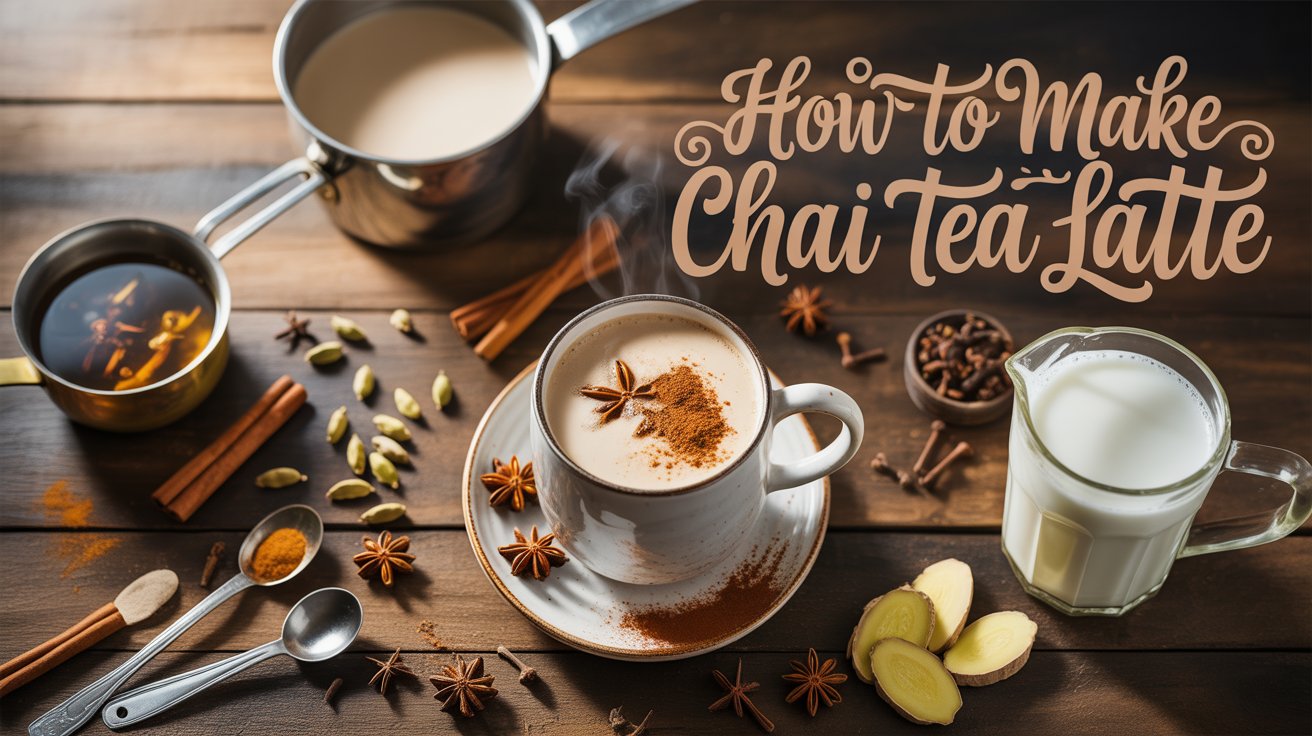
If you’ve searched how to make chai tea latte, chances are you want the real thing: bold spice flavor, creamy texture, and none of that overly sweet, watered-down taste you get from shortcuts that don’t work.
I’ve been there. The first few times I tried, it was either flat, bitter, or tasted nothing like what coffee shops serve. The problem wasn’t the recipe—it was the method.
Here’s the short answer: you can make a café-quality chai latte at home in under 10 minutes—without concentrates, fancy tools, or guesswork.
Once you understand when to steep the spices, how to balance milk and tea, and why small timing tweaks matter, everything changes. In this guide, I’ll walk you through a simple, repeatable process that actually delivers rich, aromatic chai—plus quick options if you’re short on time and pro tips to get it right on the first try.
What Is a Chai Tea Latte?
A chai tea latte is a milk-forward, spiced tea drink that blends brewed black tea, warming spices, milk, and a sweetener into a smooth, café-style beverage.
That’s the version most people want to make at home—and it’s different from what “chai” traditionally means.
Here’s the quick distinction that clears up most confusion:
Chai simply means tea. In many households, it refers to plain black tea.
Masala chai is traditional Indian spiced tea, simmered with whole spices, milk, and sugar.
Chai tea latte is the Western café adaptation—creamier, milder, and designed to highlight milk and spice balance rather than intensity.
That difference matters when you’re making it yourself.
A chai tea latte prioritizes smoothness and drinkability, not aggressive spice heat. You steep spices and tea just long enough to extract aroma, then soften everything with milk. When done right, nothing tastes sharp or bitter.
Hot vs iced also changes expectations.
Hot chai tea lattes feel richer and more aromatic, with spices blooming in warm milk.
Iced chai tea lattes require stronger brewing upfront, because ice and cold milk dilute flavor fast.
This is also why homemade versions taste different from store-bought ones.
Many cafés rely on pre-sweetened chai concentrates, including large chains like Starbucks. These concentrates prioritize consistency and speed, not freshness. They often contain added sugars, stabilizers, and muted spice profiles to scale well.
When you make chai tea latte from scratch, you control the extraction, sweetness, milk ratio, and spice clarity. The result tastes cleaner, warmer, and noticeably more balanced.
Why Make Chai Tea Latte at Home?
Because the best chai tea latte is the one built around your taste—not a default formula.
Sweetness is the biggest reason people switch to homemade. Commercial chai drinks often deliver more sugar than expected, sometimes rivaling dessert beverages. At home, you decide whether that sweetness comes from sugar, honey, maple syrup, or none at all.
Ingredients are the second advantage.
When you make chai tea latte yourself, you choose:
Whole spices instead of flavorings
Freshly brewed black tea instead of extracts
Dairy, oat, almond, or soy milk based on texture—not trends
That flexibility matters if you care about digestion, caffeine control, or dietary preferences.
Cost adds up faster than most people realize.
A single café chai latte can cost several times more than making it at home, even with high-quality tea and spices. Over a month, that difference becomes obvious—especially if chai is part of your daily routine.
Customization seals the deal.
You can:
Increase spice warmth on cold mornings
Go lighter and milkier for evening drinks
Adjust strength without changing cup size
Build consistency once you find your ideal ratio
From a nutritional standpoint, homemade chai tea lattes usually contain less sugar and fewer additives than commercial versions, while delivering the same comfort factor.
Once you dial in your method, making chai at home stops feeling like a recipe—and starts feeling like a personal ritual.
Ingredients You’ll Need
To make a proper chai tea latte, you only need a handful of ingredients—but quality and balance matter more than quantity.
This section helps you choose the right components based on flavor, texture, and convenience, so you get café-level results at home.
Core Ingredients
These form the backbone of every good chai tea latte.
Black tea
Use a strong black tea like Assam or Ceylon. Tea bags work for speed; loose-leaf delivers deeper flavor and better control over strength.Milk
Whole milk produces the creamiest texture. Oat milk froths well and complements spices naturally. Almond milk keeps it lighter but slightly thins the body.Sweetener
White sugar dissolves cleanly. Honey adds floral notes. Maple syrup brings warmth and pairs especially well with cinnamon and cardamom.Spices
Cardamom leads the profile. Cinnamon adds warmth. Ginger brings heat. Cloves and black pepper add depth. Whole spices extract cleaner flavors than pre-ground blends.
Expert tip: If your chai tastes flat, it’s usually under-spiced or under-steeped—not missing sugar.
Optional Add-Ins & Substitutes
These let you fine-tune flavor without breaking balance.
Vanilla extract for roundness and aroma
Star anise for subtle licorice notes
Nutmeg for warmth in winter versions
Non-dairy milks like oat or almond for dietary flexibility
Use these sparingly. Chai rewards restraint more than excess.
Commercial Products & Tools (Optional, but Useful)
You don’t need specialty gear, but the right tools save time and improve consistency.
Tea options
Chai tea bags: fast, predictable, beginner-friendly
Masala spice mix: closer to traditional flavor, more control
Tools that actually help
Handheld milk frother for café-style foam
Small whisk if you prefer manual control
Fine-mesh strainer to keep spices out of the cup
If you make chai regularly, a frother pays for itself quickly.
Step-by-Step Instructions
This process focuses on extraction first, then texture—because great chai depends on both.
Each method below matches a real user scenario: traditional, fast, or iced.
Traditional Stove-Top Method (10–15 minutes)
Best for maximum flavor and aroma.
Boil water with spices and tea
Add water, whole spices, and black tea to a saucepan. Bring to a gentle boil.Steep for full infusion
Lower heat and simmer for 5–7 minutes until the liquid turns deep amber.Add milk and sweetener
Pour in milk and sweeten to taste. Heat gently—do not boil.Froth the milk
Whisk or froth briefly to introduce light foam.Serve hot
Strain into a mug and drink immediately.
Lesson learned: Boiling milk too early dulls spice flavor. Always extract first.
Quick Method (Under 10 Minutes)
Ideal for mornings or busy schedules.
Steep chai tea bags in hot water for 5 minutes.
Heat milk separately in the microwave.
Sweeten, combine, and froth with a handheld frother.
Serve immediately.
You lose some depth—but gain speed without sacrificing balance.
Iced Chai Tea Latte Variation
Best for warm weather or cold brew fans.
Brew a stronger-than-normal chai using less water.
Let it cool completely.
Add cold milk, sweeten, and pour over ice.
Key adjustment: Strength matters more here. Ice dilutes fast.
FAQ
Can I make a chai tea latte with tea bags?
Yes. Brew chai tea bags stronger than usual, then add steamed or warm milk and sweetener to taste—the extra strength keeps flavor bold even with milk.
How long should I steep the spices and tea?
Simmer spices and tea for several minutes until the liquid looks rich and aromatic; longer steeping intensifies flavor without relying on added sugar.
What’s the difference between chai and chai tea latte?
A chai tea latte has steamed milk added to brewed chai spices and tea, making it creamier and latte-like, while traditional chai focuses on spice infusion with less milk.
Can I use plant-based milk for chai tea latte?
Absolutely—oat, almond, or soy milk all work, and many home baristas prefer oat for creaminess that steams well.
How do I make an iced chai tea latte?
Brew a stronger spice and tea base, let it cool, then pour over ice with cold milk and sweetener; strong brew prevents dilution.
Do I need special equipment to froth milk?
No. A handheld frother or vigorous whisking works to create light foam without espresso machines or prosumer gear.
Conclusion
Making a great chai tea latte isn’t about shortcuts—it’s about understanding extraction, balance, and texture, then applying them with confidence. You now know how to control spice intensity, sweetness, milk choice, and brewing method so every cup tastes intentional, not improvised.
The solution is simple: brew strong, add milk at the right moment, and adjust with purpose. Once you do that, chai stops being hit-or-miss and starts being repeatably excellent.

Shahriar brings a unique blend of storytelling prowess and digital expertise to Daily Coffee Guide. With a background in SEO and content strategy, he ensures our articles on Beans, Coffee, Tea, and Drinks are both engaging and discoverable. His passion for coffee culture drives him to explore and share the rich narratives behind every cup.